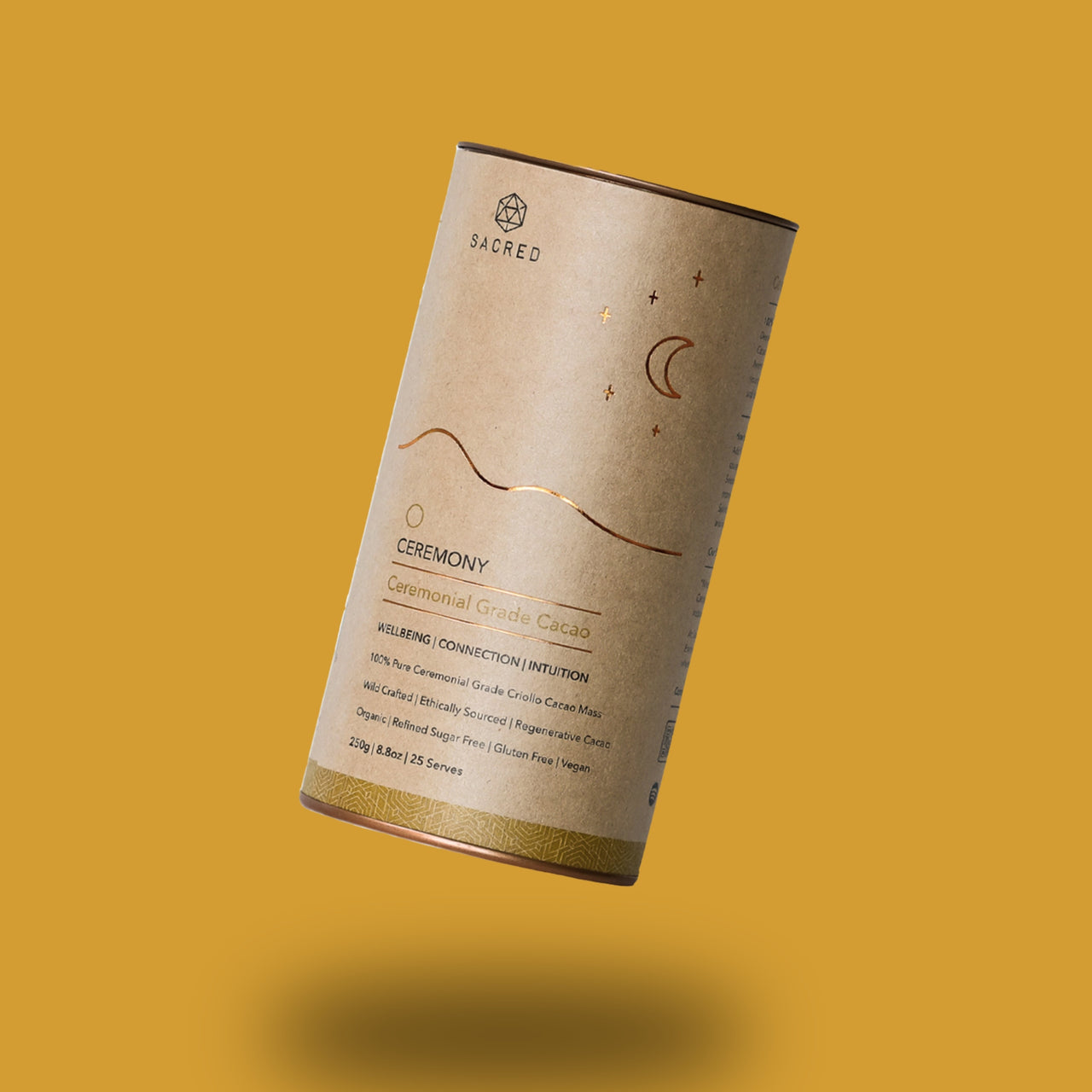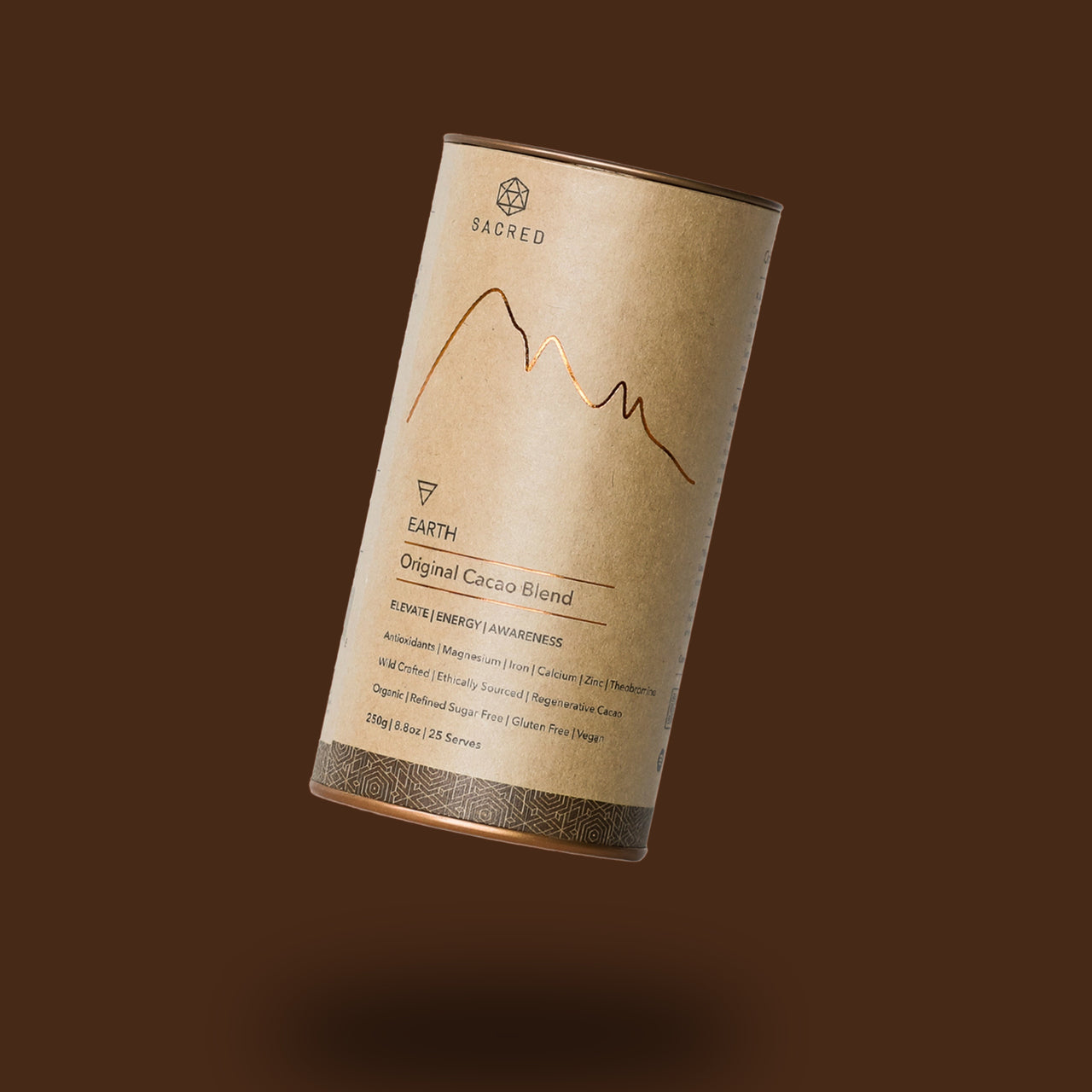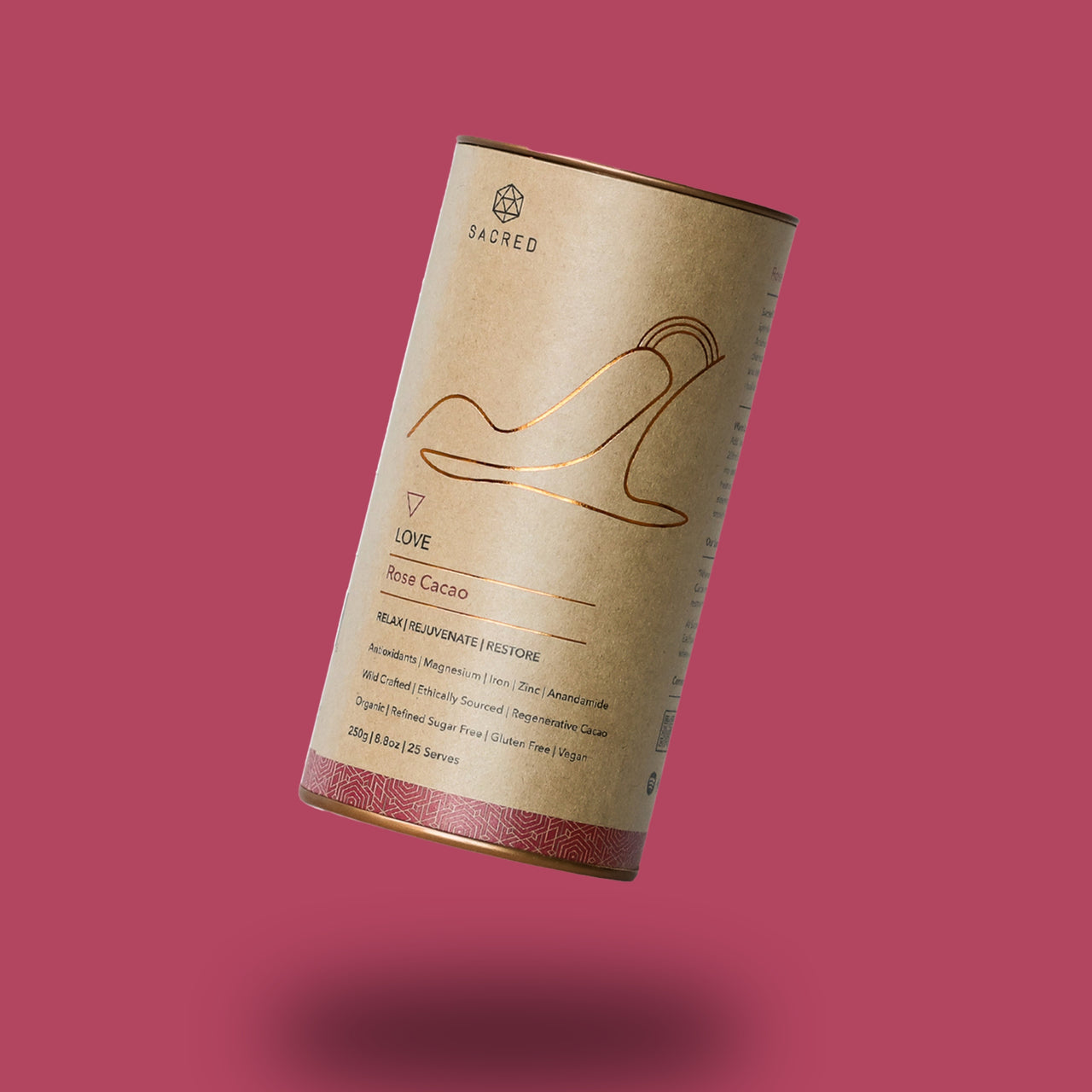











Cacao—more than just the base ingredient for chocolate—holds a rich history and profound significance in cultures around the world. It's a superfood that has been cherished for thousands of years, not just for its delightful flavour but for its spiritual, medicinal, and nutritional benefits. Whether you’ve sipped a cup of traditional Mayan cacao or enjoyed a piece of dark chocolate, this sacred food has always been much more than a treat. It’s a journey into ancient rituals, health benefits, and a way to reconnect with nature's gifts. Let’s dive into the history, culture, and power behind cacao and explore why it continues to reign as one of the world’s most treasured superfoods.
The Sacred Superfood: Cacao’s Rich History And Cultural Significance
Ancient Roots: The History Of Cacao In Mesoamerica
Cacao’s story begins in the lush rainforests of Central and South America, a region so rich in biodiversity that it’s as if nature’s secrets were waiting to be discovered. It’s hard to imagine the journey cacao has taken from the sacred trees of the Amazon basin to our kitchens today. The first hints of cacao date back to around 2000 B.C.E., with the Olmecs—the earliest known Mesoamerican civilisation—being the first to cultivate cacao.
I’ve had the privilege of visiting the heart of cacao’s homeland in southern Mexico, where the rich aroma of cacao fills the air at local markets. Walking through the regions where the cacao trees grow wild, you can’t help but feel the connection to ancient cultures. Picture the scene: an Olmec farmer, standing beneath towering cacao trees, harvesting the precious beans that will later become part of sacred rituals and divine offerings. For the Olmecs, and later the Mayans and Aztecs, cacao was no mere food; it was “food of the gods”, a title that reflects its revered status.
Through time, cacao wasn’t just enjoyed as a drink but was seen as a powerful elixir, full of spiritual and health-giving properties. The Mayans, for instance, were known for their use of cacao in sacred ceremonies. Cacao wasn’t just a part of the diet—it was integral to their cosmology. They believed it connected them to the divine and that consuming it in a ceremonial setting could strengthen their bond with the gods.
Cacao And Spirituality: Rituals, Ceremonies, And Mythology
Imagine stepping into a bustling Mayan temple, the air thick with incense, the rhythmic sound of drums echoing in the distance, and before you, a revered priest offering a cup of cacao, prepared with the finest ground beans and a special blend of spices. This wasn't just a drink—it was a bridge between the physical and spiritual worlds. Cacao, for the Mayans, was sacred, and it was said that the gods themselves had brought cacao to humanity.
I remember visiting the ancient Mayan ruins in Guatemala, where cacao played a central role in rituals. These weren't just ceremonial acts; they were seen as the very means of aligning oneself with the cosmos. Mayan gods like Ek Chuah, the god of merchants, were closely associated with cacao. In fact, sacred texts like the Popol Vuh—the Mayan creation myth—referred to cacao as a gift from the gods, bestowed upon humanity to nourish both body and soul.
The Aztecs, too, were deeply involved with cacao. In their culture, cacao was used in offerings, during weddings, and even in the form of chocolatl (the Aztec chocolate drink) during military campaigns to boost the warriors’ strength. I learned about this at an exhibit in Mexico City, where the story of Emperor Montezuma’s famous consumption of cacao as part of his daily routine was shared. It’s said he drank up to 50 cups of cacao a day for its energising effects.

The Health Benefits Of Cacao: A Nutrient-Rich Superfood
Packed With Bioactive Compounds: How Cacao Supports Cellular Health?
As you dive deeper into the world of cacao, it becomes clear why it’s often heralded as a superfood. Cacao is a powerhouse of nutrients, packed with bioactive compounds that contribute to our overall health. You might be familiar with the health benefits of chocolate, but let me tell you, raw cacao takes these benefits to an entirely new level.
Take, for example, the polyphenols found in cacao, particularly the flavonoids like catechins and epicatechins. These compounds are like tiny soldiers working hard inside your body to fight off the damage caused by free radicals. These free radicals are the culprits behind aging and the development of chronic diseases. As someone who has made cacao a regular part of my morning smoothie, I can certainly attest to the burst of energy and vitality it provides. I feel like I’m giving my body a protective shield—every sip is like a little dose of wellness.
Antioxidant Properties: How Cacao Fights Free Radicals?
Cacao is renowned for its antioxidant properties, and that’s a key reason it’s so beneficial to our health. It contains an impressive amount of flavonoids, which have been shown to help neutralise the harmful effects of oxidative stress. This isn’t just some abstract health benefit—it has real-world implications for slowing down the aging process and reducing the risk of diseases such as heart disease, diabetes, and cancer.
In my travels to local cacao farms in Australia’s northern regions, I’ve met farmers who’ve shared how their cacao beans are carefully harvested to maintain their high antioxidant levels. It was truly eye-opening to see the direct link between cacao cultivation and its health benefits. By choosing raw cacao over highly processed cocoa, you ensure that you’re getting the maximum amount of antioxidants that nature has to offer.
Cardiovascular Health: Cacao's Impact On Blood Pressure And Cholesterol
One of the most exciting areas of research into cacao is its effect on cardiovascular health. Studies have shown that cacao can help lower blood pressure and improve blood flow by increasing the levels of nitric oxide in the blood. Nitric oxide is essential for relaxing the blood vessels and improving circulation. Imagine this: your blood vessels are like highways, and cacao’s flavonoids are the traffic controllers, helping traffic (your blood) flow smoothly.
This isn't just theory—it’s something that has become a part of my regular routine. I started adding cacao powder to my morning routine after reading about its benefits for heart health. After a couple of weeks, I noticed an improvement in my overall energy levels, and I felt like my body was functioning more efficiently. Research also suggests that cacao can help lower LDL ("bad") cholesterol while increasing HDL ("good") cholesterol, which helps reduce the risk of heart disease. It's truly remarkable that a treat so delicious can also be so heart-healthy.
Brain Function And Mood Enhancement: A Natural Brain Booster
Cacao isn’t just good for the body—it’s a mood booster for the mind as well. Cacao contains theobromine, a compound similar to caffeine, but without the jittery side effects. If you’ve ever felt a lift in mood or mental clarity after eating a piece of dark chocolate, it’s likely due to theobromine working its magic. But that’s not all—cacao also contains compounds like serotonin and tryptophan, which can help improve your mood and even act as a mild antidepressant.
I remember the first time I used cacao during a long workday. As the afternoon slump hit, I reached for some organic cacao nibs instead of my usual coffee. To my surprise, I felt a sustained energy boost that kept me focused throughout the rest of the day, without the usual afternoon crash that comes with caffeine. It's a perfect example of how cacao can act as a natural mood enhancer and energy booster, making it a go-to for anyone seeking a lift in both body and spirit.
Diabetes Risk Reduction: How Cacao Can Improve Insulin Sensitivity?
Cacao doesn’t just boost your mood and heart health—it can also play a role in diabetes prevention. Recent studies have indicated that cacao's antioxidants can help improve insulin sensitivity, which is key to preventing type 2 diabetes. The polyphenols in cacao help regulate glucose metabolism, which may improve how the body responds to insulin.
Living in Australia, where the sun is fierce and the need for maintaining a healthy lifestyle is constantly emphasised, I’ve seen a growing interest in plant-based nutrition. Incorporating cacao into a plant-based diet can be an excellent way to not only indulge in a rich treat but also support overall metabolic health. Whether it’s through a cacao-infused smoothie or a sprinkle of cacao powder over your morning oats, the health benefits are undeniable.
Mineral-Rich: Cacao's Contribution To Your Daily Nutrient Intake
Cacao is an incredibly nutrient-rich food, packed with essential minerals like magnesium, iron, and potassium. Magnesium is particularly beneficial for muscle function, nerve transmission, and even relaxation. I’ve noticed, especially after intense workout sessions, that adding cacao to my diet helps ease muscle soreness and supports recovery.
Iron, another essential mineral found in cacao, is vital for oxygen transport in the blood, and for those on a plant-based diet, it can be a fantastic source of non-heme iron, the type found in plant foods. Potassium, which helps maintain healthy blood pressure, is another bonus found in this superfood.
From Cacao To Cocoa: Understanding The Superfood Difference
While both cacao and cocoa come from the same plant, Theobroma cacao, their differences lie in the processing methods used to transform the cacao bean into the familiar products we see on the shelves. The processing methods play a significant role in how nutritious the final product is, which is why raw cacao is considered the true superfood.
What Makes Raw Cacao Different From Cocoa?
The main difference between cacao and cocoa lies in the processing. Raw cacao is minimally processed, which helps preserve its natural nutrients, while cocoa has undergone more extensive heat processing. To help clarify the differences, here’s a table comparing the two:
|
Feature |
Cacao |
Cocoa |
|
Processing Method |
Minimally processed at low temperatures to preserve natural enzymes and antioxidants |
Roasted at high temperatures, often with an alkalizing agent (Dutch-processed) |
|
Nutritional Value |
Retains higher levels of antioxidants, minerals, and flavonoids |
Some antioxidants and beneficial compounds are lost due to the heat process |
|
Taste |
Bitter, earthy, and rich in flavour |
Milder, with less bitterness and sometimes sweetened |
|
Common Forms |
Raw cacao nibs, raw cacao powder, cacao beans |
Cocoa powder, cocoa butter, chocolate liquor, cocoa solids |
|
Health Benefits |
High in antioxidants, magnesium, and iron; boosts mood, enhances energy |
Contains antioxidants, but fewer than raw cacao due to processing |
I remember first learning about the difference between cacao and cocoa on a farm visit in Northern Queensland, where I was shown how cacao beans are harvested and fermented. The beans were then dried and ground to make raw cacao powder, which still had all the natural enzymes intact. When the same beans are roasted at high temperatures, much of the nutritional content is altered or lost. This was a clear lesson in why raw cacao is considered a superfood and cocoa, while still beneficial, doesn’t quite pack the same punch.
Raw Cacao: The Most Nutrient-Rich Form Of The Superfood
Raw cacao is where the magic happens. It is unheated and minimally processed to maintain the highest levels of antioxidants, magnesium, and iron. In fact, cacao has one of the highest concentrations of antioxidants found in any food. Here’s a breakdown of some key nutrients in raw cacao:
|
Nutrient |
Amount (per 100g of raw cacao) |
Health Benefits |
|
Antioxidants |
15,000 ORAC units (Oxygen Radical Absorbance Capacity) |
Protects cells from oxidative stress, reduces aging, and prevents chronic diseases |
|
Magnesium |
499 mg |
Supports muscle function, heart health, and nervous system function |
|
Iron |
11.9 mg |
Essential for oxygen transport and red blood cell formation |
|
Potassium |
705 mg |
Helps maintain healthy blood pressure and supports muscle function |
|
Flavonoids |
300 mg (per 100g) |
Improves heart health, lowers blood pressure, and enhances brain function |
I make sure to include cacao in my daily diet, whether through a sprinkle in my smoothie or as a topping on my oatmeal. The flavonoids in cacao, such as epicatechins, have been shown to support cardiovascular health by improving blood flow and reducing blood pressure. It’s like giving my heart a daily tune-up.

Raw Cacao Vs. Cocoa: Which One Should You Choose?
If you’re wondering whether to choose cacao or cocoa for your health, the answer depends on what you’re looking for. For maximum health benefits, especially if you're after the rich antioxidants and minerals cacao offers, raw cacao is the clear winner. On the other hand, if you’re simply looking to enjoy chocolate as an occasional treat and are not as concerned with nutritional content, cocoa may suffice.
For example, if you’re a runner or someone who regularly exercises, raw cacao can be a great choice to boost your energy levels. Its magnesium content helps with muscle recovery, while the antioxidants combat the stress your body endures during intense activity. I often reach for cacao in my post-workout shakes for that extra recovery boost.
However, if you’re indulging in a piece of dark chocolate or a cup of hot cocoa to unwind, cocoa can still offer you a comforting experience, though it’s not as nutrient-dense as its raw counterpart.
Practical Ways To Include Cacao In Everyday Meals
Cacao’s versatility allows it to be incorporated into a variety of recipes, from smoothies to baked goods, making it an easy addition to your diet. Here are a few practical ways to include cacao:
|
Cacao Form |
How to Use It |
Health Benefits |
|
Cacao Nibs |
Add to granola, yogurt, or salads for a crunchy texture |
High in antioxidants and fibre, supports digestion |
|
Raw Cacao Powder |
Use in smoothies, oatmeal, or baking (in place of cocoa powder) |
Boosts energy, improves heart health, enhances mood |
|
Cacao Beans |
Grind into a paste for making raw chocolate, or use in energy bars |
Rich in magnesium, great for muscle function and recovery |
|
Dark Chocolate (70% cacao or more) |
Enjoy as a snack or melt for drizzling over fruit or desserts |
Supports heart health, reduces stress, and improves cognition |
|
Cacao Butter |
Use in homemade skincare products or as a substitute for butter in baking |
High in healthy fats, it moisturises skin and improves skin elasticity |
I personally love to throw a handful of cacao nibs into my morning smoothie—this gives it a delightful crunch and a hit of healthy fats, fibre, and antioxidants. It’s an easy way to make my meal more nutrient-dense without adding sugar or artificial flavours.
How To Incorporate Cacao Into Your Diet: Delicious And Healthy Ideas
Cacao isn’t just about eating chocolate—it’s about embracing a superfood that can enhance both your health and your mood. When I first started experimenting with cacao in my own meals, I was amazed at how versatile it was. Whether I was adding a scoop to my morning smoothie or using it in a homemade energy bar, cacao effortlessly boosted the nutritional profile of my meals while offering that delightful touch of indulgence. Below are some easy and creative ways to incorporate cacao into your diet, ensuring you enjoy its health benefits in the most delicious ways possible.
Cacao Nibs And Powder: Easy Additions To Your Everyday Meals
One of the best things about cacao nibs and raw cacao powder is how easy they are to incorporate into your daily routine. Both forms of cacao are incredibly versatile, and their slightly bitter taste adds a layer of richness to any meal or snack. Here's how you can use them:
|
Cacao Form |
How to Use It |
Health Benefits |
|
Cacao Nibs |
Add to smoothies, granola, or yogurt. Use them as a topping for oatmeal or fruit bowls. |
Rich in antioxidants and fibre, it promotes healthy digestion and heart health. |
|
Raw Cacao Powder |
Stir into smoothies, oatmeal, or baking recipes. Use as a replacement for cocoa powder in desserts. |
Increases energy, boosts mood, enhances brain function, and improves cardiovascular health. |
I started incorporating cacao nibs into my granola, and it gave my breakfast a satisfying crunch while adding a burst of energy. The raw cacao powder was a game-changer in my morning smoothie; not only did it enhance the flavour, but it also provided a rich dose of antioxidants to start my day.
Dark Chocolate: The Sweetest Way To Enjoy Cacao’s Health Benefits
When it comes to enjoying cacao in a more indulgent form, dark chocolate is the perfect option. The key to making dark chocolate a health-friendly choice is opting for varieties that contain at least 70% cacao or more. This type of chocolate is low in sugar and packed with the rich, beneficial compounds cacao has to offer.
|
Chocolate Type |
How to Enjoy It |
Health Benefits |
|
70%+ Dark Chocolate |
Enjoy a small piece as a snack, or melt it over fruit or desserts. Use in baking or melt for fondue. |
Supports heart health, boosts brain function, improves mood, and reduces inflammation. |
Personally, I enjoy a square of 70% dark chocolate after dinner. It satisfies my sweet tooth and provides the added benefit of theobromine and flavonoids, which help me wind down for the evening without the crash that often comes with sugary snacks.
Cacao Beans: A Fun, Nutritious Snack
While cacao nibs and raw cacao powder are easy to incorporate into your meals, cacao beans provide a more unique way to enjoy cacao. These beans are simply the whole, unprocessed form of cacao, and they have an intense flavour that is a mix of both bitter and slightly sweet. If you’re up for an adventure, try these beans as a snack.
|
Cacao Form |
How to Use It |
Health Benefits |
|
Cacao Beans |
Eat them straight from the pod, or grind them into a paste for use in homemade energy bars or chocolates. |
High in magnesium, antioxidants, and iron. Supports muscle recovery and energy levels. |
On one of my trips to a local cacao farm in Northern Queensland, I had the chance to try raw cacao beans fresh from the tree. Their intense flavour was a real eye-opener, and I left the farm with a newfound appreciation for cacao in its purest form. Since then, I’ve been adding cacao beans to my homemade energy bars, and they’re the perfect balance of sweet and bitter, giving me a natural energy boost without the sugar rush.
Cacao Butter: A Multi-Use Ingredient For Health And Beauty
While cacao butter is often used in cosmetics and skincare products for its moisturising properties, it’s also a wonderful ingredient for cooking. If you’re looking to replace traditional butter in your baking, cacao butter offers a healthier alternative with a subtle, rich chocolate flavour.
|
Cacao Form |
How to Use It |
Health Benefits |
|
Cacao Butter |
Use as a substitute for butter or oil in cooking and baking. It’s great for making raw chocolates or chocolate bars. |
High in healthy fats, promotes skin health, and contains antioxidants that reduce inflammation. |
I recently swapped cacao butter for regular butter in a chocolate chip cookie recipe, and the result was delicious—chewy, chocolatey, and packed with nutrients. It’s a small change that adds a subtle chocolate note to your treats while boosting their nutritional value.
Cacao is more than just a superfood. It’s a sacred gift from nature that has nourished and inspired cultures for millennia. From its revered status in ancient rituals to its modern-day role in our health and well-being, cacao is a versatile food that offers profound benefits. Whether you're enjoying a piece of dark chocolate or using raw cacao powder in your smoothie, you're not just indulging in a treat—you’re partaking in a tradition that spans centuries and cultures.