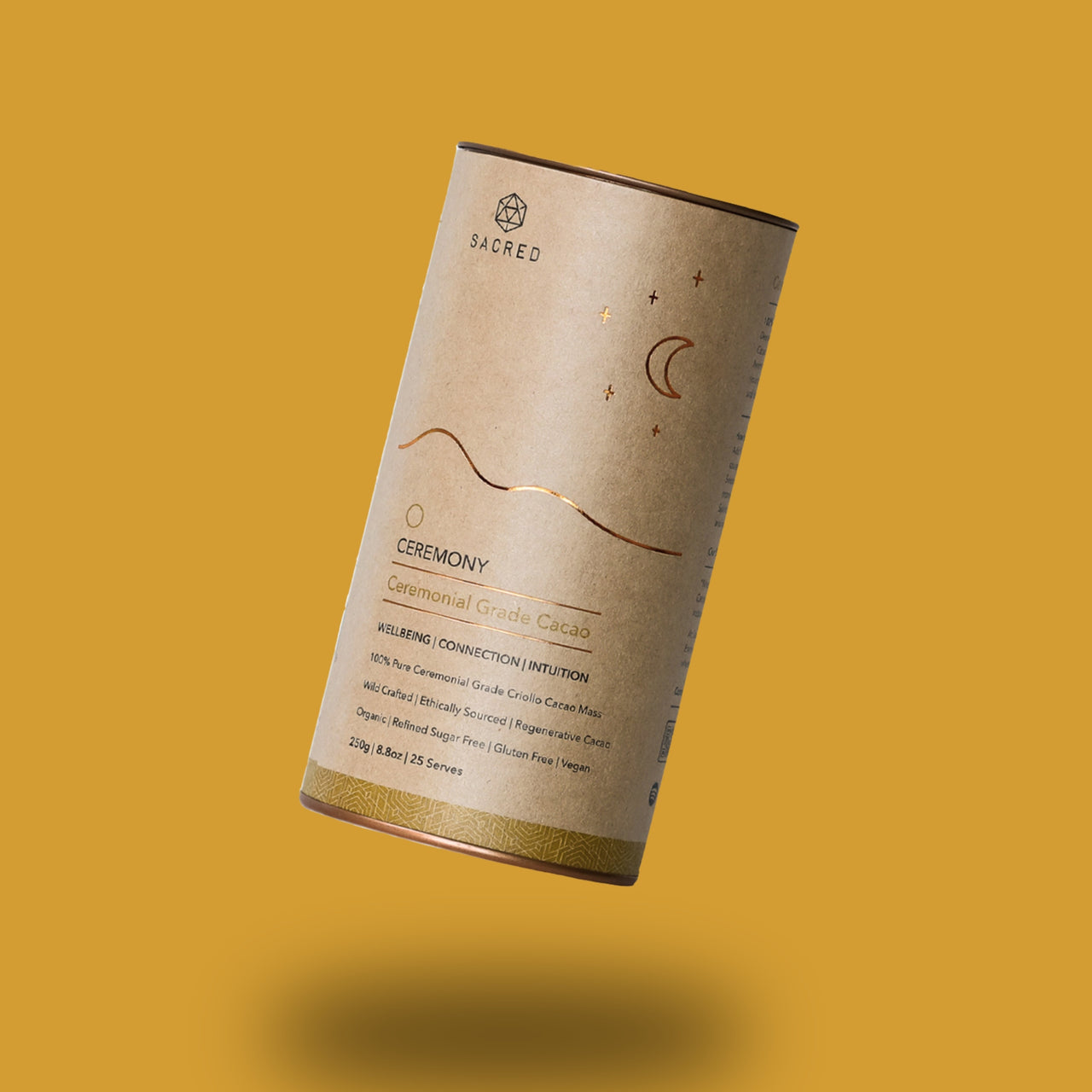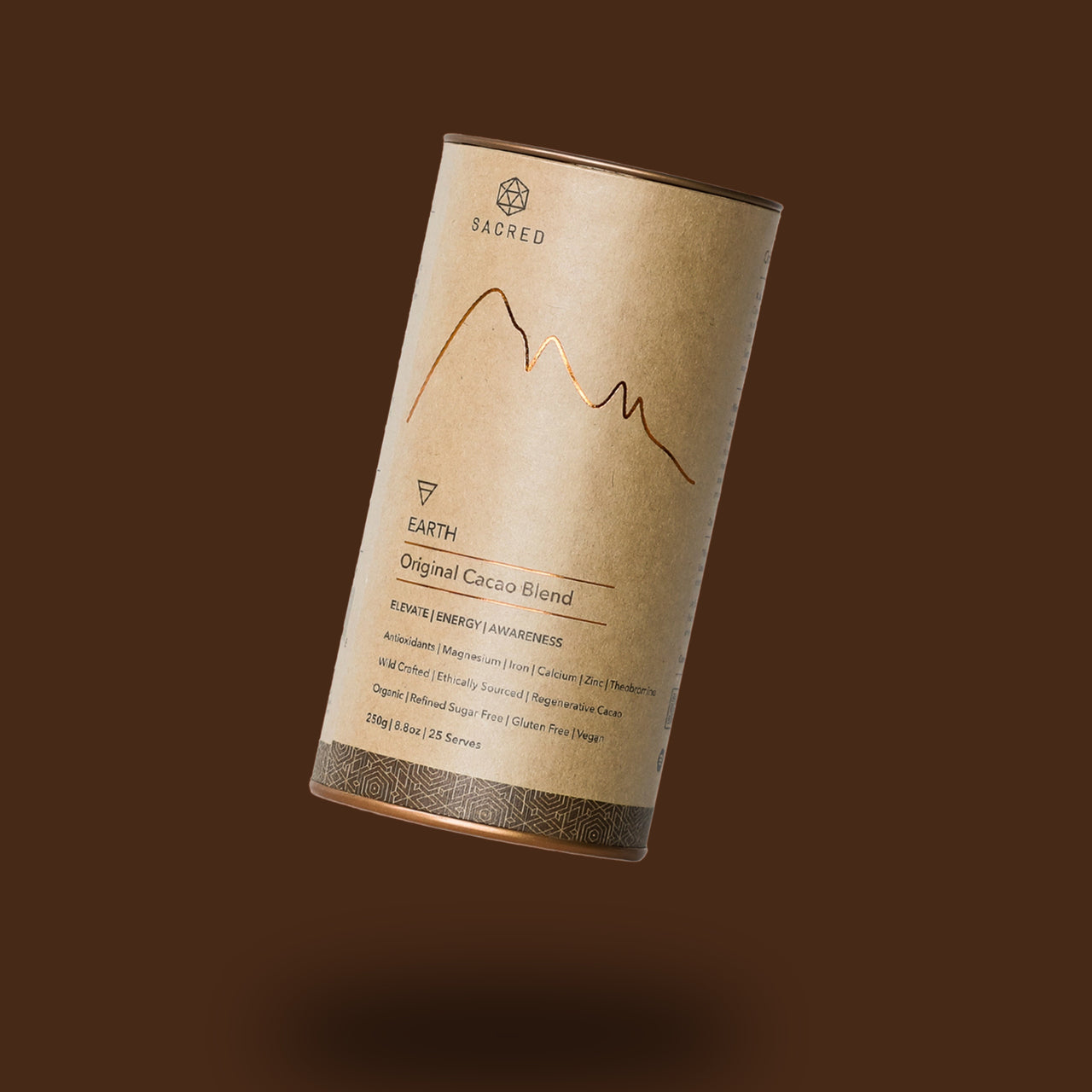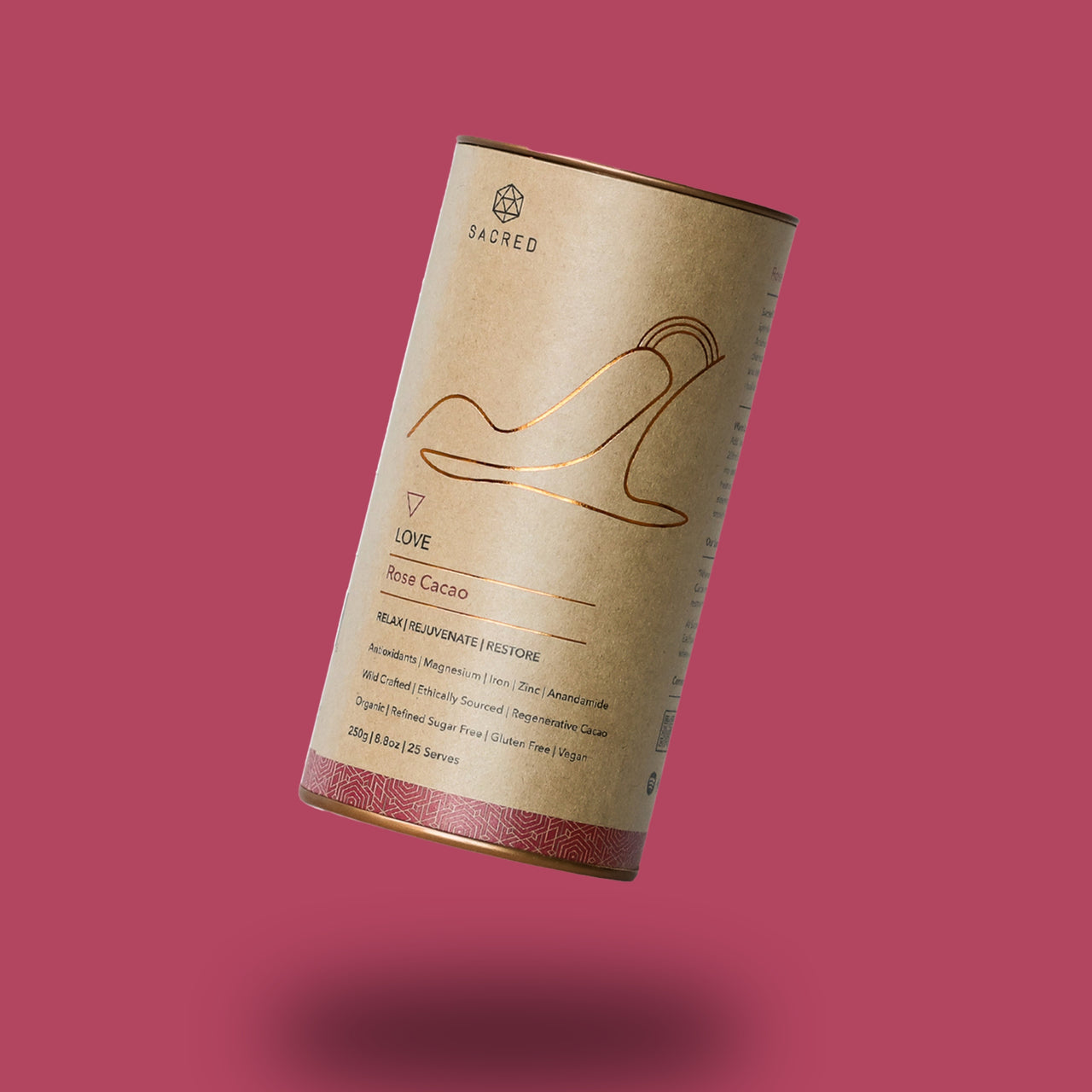










Cacao powder – whether you're a baking enthusiast, smoothie maker, or simply a lover of chocolate – is an essential pantry item in many Australian kitchens. But as you wander down the supermarket aisle, you might be greeted by an overwhelming variety of cacao powders. From raw cacao to Dutch-processed varieties, each type offers its own unique benefits and uses. If you've ever wondered, “How many types of cacao powders are there, and which one should I be using?” then you're in the right place. Let’s dive into the world of cacao powder and uncover the differences, uses, and best choices for your next kitchen experiment.
The Many Faces Of Cacao Powder: Understanding The Basics

Natural Cocoa Powder Vs. Dutch-Processed Cocoa Powder
When I first began experimenting with baking, I distinctly remember the first time I encountered the term “Dutch-processed cocoa powder.” I was making a batch of chocolate cookies, and the recipe called for just "cocoa powder." Simple, right? I grabbed the first packet I saw, which happened to be the Dutch-processed variety, thinking there was no difference. Fast forward to when the cookies came out of the oven – while they tasted great, they didn’t have the same vibrant, bittersweet flavour that I was expecting from a traditional chocolate cookie. That’s when I learned that choosing the right cocoa powder can completely change the end result.
Let’s break down the differences between natural cocoa powder and Dutch-processed cocoa powder:
Natural Cocoa Powder:
This type of cocoa powder is essentially the purest form of cocoa you can get. It’s made by roasting the cocoa beans, removing most of the cocoa butter, and then grinding up the leftover solids into a fine powder. The key thing to remember about natural cocoa powder is its acidity. This is why it’s often paired with baking soda in recipes – the acid in the cocoa reacts with the baking soda, causing a chemical reaction that helps the baked goods rise.
If you’ve ever baked a cake that calls for cocoa powder and noticed a slight tang or sharpness to the flavour, that’s the natural acidity of cocoa powder at work. It's this tang that gives chocolate recipes their complexity and depth of flavour.
Dutch-Processed Cocoa Powder:
Also known as alkalized cocoa, this powder has gone through a special process of being washed with an alkaline solution to neutralise its natural acidity. The result? A cocoa powder with a smoother, milder taste and a darker colour. Dutch-processed cocoa is less bitter, with a more mellow, rounded flavour. You’ll often see it in recipes calling for baking powder, as there’s no acidity to react with baking soda.
In Australia, particularly in baking circles, Dutch-processed cocoa is a go-to for recipes where the cocoa’s flavour isn’t meant to overpower, like in certain chocolate cakes or frostings.
Which to choose? Well, if you're baking a rich, chocolate cake and you want that deep, complex chocolate flavour, natural cocoa powder is likely the way to go. But if you’re after a more mellow, smooth chocolate taste, Dutch-processed cocoa will give you the desired results.
What Sets Raw Cacao Powder Apart?
Raw Cacao Powder: The Nutrient-Rich Alternative
As a health-conscious cook, I started using raw cacao powder about a year ago after hearing rave reviews from friends who are into all things natural and organic. One friend, a fitness enthusiast, told me she swore by it for smoothies and even in her baking, claiming it gave her recipes a “cleaner” taste and a nutritional boost. Naturally, I was intrigued. Was this really just another fad, or was there something to this "raw" cacao?
Let’s look at what makes raw cacao powder different from its more processed cousins.
Processing And Nutritional Value:
Unlike the traditional cocoa powder that’s made from roasted beans, raw cacao powder is produced from unroasted cacao beans. The beans are cold-pressed at temperatures below 45°C to preserve their nutrients. The result is a powder that is packed with antioxidants, magnesium, iron, and a whole host of other vitamins and minerals that are typically lost in the roasting process.
In fact, raw cacao powder is considered a "superfood" because of its high antioxidant content, which is said to have benefits for heart health and mood regulation. If you’re looking to boost your overall well-being, this could be the perfect addition to your pantry.
Flavour Profile:
Raw cacao powder has a bitter and intense chocolate flavour, often described as being more robust compared to the mellow taste of regular cocoa powder. Personally, I find that when I use it in smoothies or health bars, the rich, slightly earthy taste makes the chocolate flavour feel deeper. However, this bitterness can be a bit too much for some, so it’s important to pair it with other sweeteners or ingredients that balance the flavour.
How To Use It:
I started using raw cacao powder in a few recipes that required a more intense chocolate flavour. While it’s great for smoothies and raw energy balls, I’ve learned that it’s best not to subject raw cacao to the high temperatures of baking if you want to keep all of its raw benefits intact. When baking with raw cacao, try to keep the temperature under 45°C – this way, you retain more of the antioxidants and nutrients.
In Australia, where we have a growing focus on sustainable and healthy eating, raw cacao powder is often used in plant-based cooking and wellness circles. You’ll even find it in specialty stores like local health food shops or farmers' markets, where people are looking for natural, nutrient-packed alternatives to traditional chocolate.
Is it worth the extra cost? While raw cacao tends to be pricier than regular cocoa powder, the health benefits it brings to the table, along with its rich, authentic chocolate flavour, often make it worth the investment. For anyone looking to incorporate more nutrient-dense superfoods into their diet, raw cacao powder is a great choice, and a little goes a long way.
Variations Based On Fat Content: How Fat Affects Cocoa Powder?
Low-Fat, Medium-Fat, And High-Fat Cocoa Powders Explained
I first learned about the importance of fat content in cocoa powder when I tried making a batch of brownies that turned out dry and crumbly. I followed the recipe to the letter, but something wasn’t quite right. The problem? I had used a low-fat cocoa powder, which wasn’t providing the richness and moisture that high-fat cocoa powders do.
When you think about fat content in cocoa powder, it all comes down to the amount of cocoa butter left behind after the beans are pressed to remove the fat. This fat is what gives cocoa powder its mouthfeel and richness.
Let’s break down the different types:
Low-Fat Cocoa Powder:
This type of powder contains less than 10% cocoa butter, resulting in a powder that’s drier and tends to produce baked goods with a more chalky texture. If you're making something light, like a sponge cake, low-fat cocoa powder might be just what you need. But for rich, fudgy brownies or decadent chocolate cakes, low-fat cocoa just won’t cut it.
Medium-Fat Cocoa Powder:
This is the most common variety found in grocery stores. It typically contains around 10-12% cocoa butter, which strikes a nice balance between richness and lightness. In fact, many recipes I’ve tried – especially the classic Aussie chocolate cakes – call for this standard cocoa powder. It gives just the right amount of chocolate flavour without making the cake too heavy.
High-Fat Cocoa Powder:
Professional bakers often swear by high-fat cocoa powder. Containing 20-24% cocoa butter, this type of powder has a richer, more intense chocolate flavour and gives baked goods a smoother texture. When I started using high-fat cocoa in my recipes, I immediately noticed the difference in taste and texture. It made my cakes moister and gave my icing a silky smoothness that I hadn’t achieved before.
If you’re baking professionally or making something that calls for a rich chocolate flavour – like a chocolate mousse or a rich ganache – I’d highly recommend investing in high-fat cocoa powder. You’ll pay a little more for it, but trust me, the difference is noticeable.
Different Cacao Powder Varieties: Which One Should You Choose?
Organic Cacao Powder: Is It Worth It?
A few months ago, I found myself wandering the aisles of my local health food store, weighing the pros and cons of buying organic cacao powder. I’d heard so much about the benefits of going organic, but I wasn’t sure if it would make a noticeable difference in my baking. After much deliberation, I decided to give it a try and purchased a small packet.
Processing And Sourcing:
Organic cacao powder is made from cacao beans that are grown without synthetic pesticides or fertilisers. The process ensures that the cacao retains as many nutrients as possible and supports sustainable farming practices. If you’ve ever tasted premium chocolate, you might notice a subtle difference in flavour between organic and non-organic varieties, with organic cacao often having a slightly milder and more earthy taste.
Flavour Profile:
For me, the most striking feature of organic cacao powder was the cleaner, more natural taste. While it’s not necessarily sweeter than conventional cacao powder, it has a distinctive earthiness that adds depth to the chocolate flavour. If you’re someone who enjoys rich, authentic chocolate with no artificial aftertaste, organic cacao might just be what you're looking for.
Is it worth it? In my experience, the answer depends on your priorities. If you’re looking to go eco-friendly or choose ingredients with fewer chemicals, organic cacao powder is a great choice. It’s a little pricier, but I’ve found that it elevates the flavour of my baked goods. Plus, it aligns with the growing demand for sustainable, health-conscious products that are becoming increasingly popular in the Australian market.
Unsweetened Cacao Powder Vs. Cocoa Powder
If you’re like me, navigating the difference between unsweetened cacao powder and cocoa powder was a bit confusing at first. Both powders seem similar, so what’s the real difference?
Cacao Powder:
This is typically raw or minimally processed, with no added sugar. It’s perfect for health-conscious recipes where you control the sweetness level, like in smoothies, protein bars, or raw desserts. Since unsweetened cacao is so bitter, it pairs best with natural sweeteners or when used in combination with fruits, nut butters, and honey in raw recipes.
Cocoa Powder:
On the other hand, cocoa powder is the more processed version of cacao, often roasted at higher temperatures. This process makes the powder smoother and sweeter, but with fewer nutrients than cacao. Depending on the brand, cocoa powder may also contain added sugars, so always check the label before using it in recipes where you need to control the sweetness.
In my kitchen, I’ve found unsweetened cacao powder to be the go-to for anything I want to keep sugar-free or low-sugar. For everyday chocolate recipes, I often opt for cocoa powder since it has a more familiar, mild taste, and is easier to use in more traditional baked goods.

Cacao Nibs Vs. Cacao Powder: What’s The Difference?
Comparing Texture And Flavour
The first time I tried cacao nibs was at a friend’s birthday party. She made a batch of healthy chocolate bark with cacao nibs, and I was instantly hooked. I love the crunchy texture and intense chocolate flavour, but when I first thought about using cacao nibs in place of cacao powder, I wasn’t sure how they would work in baking. After some trial and error, I realised that cacao nibs and cacao powder offer very different results depending on the recipe.
Cacao Nibs:
These are crushed pieces of cacao beans that are minimally processed. They have a chunky, crunchy texture and a very bitter, intense chocolate flavour. I use cacao nibs as a garnish, or to add texture to smoothies and healthy chocolate desserts. They’re great when you want a rich chocolate hit that’s more about the texture and less about blending seamlessly into a recipe.
Cacao Powder:
On the other hand, cacao powder is much more versatile. It dissolves easily into recipes, giving them that smooth, uniform chocolatey taste that many of us love in baked goods. It's perfect for cakes, brownies, cookies, or even hot chocolate. While cacao nibs provide more of a crunch, cacao powder gives you that melt-in-your-mouth experience.
The decision between cacao nibs and cacao powder really depends on what you’re after in a recipe. If you want a textural contrast and intense chocolate flavour, cacao nibs are your best bet. But if you want that smooth, deep chocolate flavour, go for cacao powder.
Blended Cocoa Powders: A Versatile Choice
Popular Cocoa Blends On The Market
Now, let’s talk about blended cocoa powders – those handy mixtures that combine the best of different types of cocoa powders. If you're looking for a versatile all-purpose cocoa powder for various baking needs, blends might be the answer.
I remember when I first came across a "Double-Dutched" cocoa powder in a baking magazine. The thought of combining Dutch-processed and black cocoa powders intrigued me, as I wanted a darker, richer chocolate flavour in my cakes without the bitterness of natural cocoa. The result? A beautifully rich chocolate cake with a deep, dark colour and a flavour that was perfectly balanced.
When it comes to choosing the right cacao powder, there’s no one-size-fits-all answer. Each type of cacao powder brings something different to the table, and the best one for you depends on the recipe you're working on.
- For deep, rich chocolate flavour in cakes or brownies? Go with natural cocoa powder or high-fat cocoa powder.
- For a smoother, milder taste in frostings or ice cream? Dutch-processed cocoa powder will do the trick.
- For a healthy twist in smoothies or energy balls? Try raw cacao powder for an intense, nutrient-packed flavour.
In the end, it's all about what you want to achieve in the kitchen. Whether you’re aiming for a rich chocolate cake or a healthier chocolate alternative, knowing which cacao powder to choose will ensure you get the best flavour and texture every time.