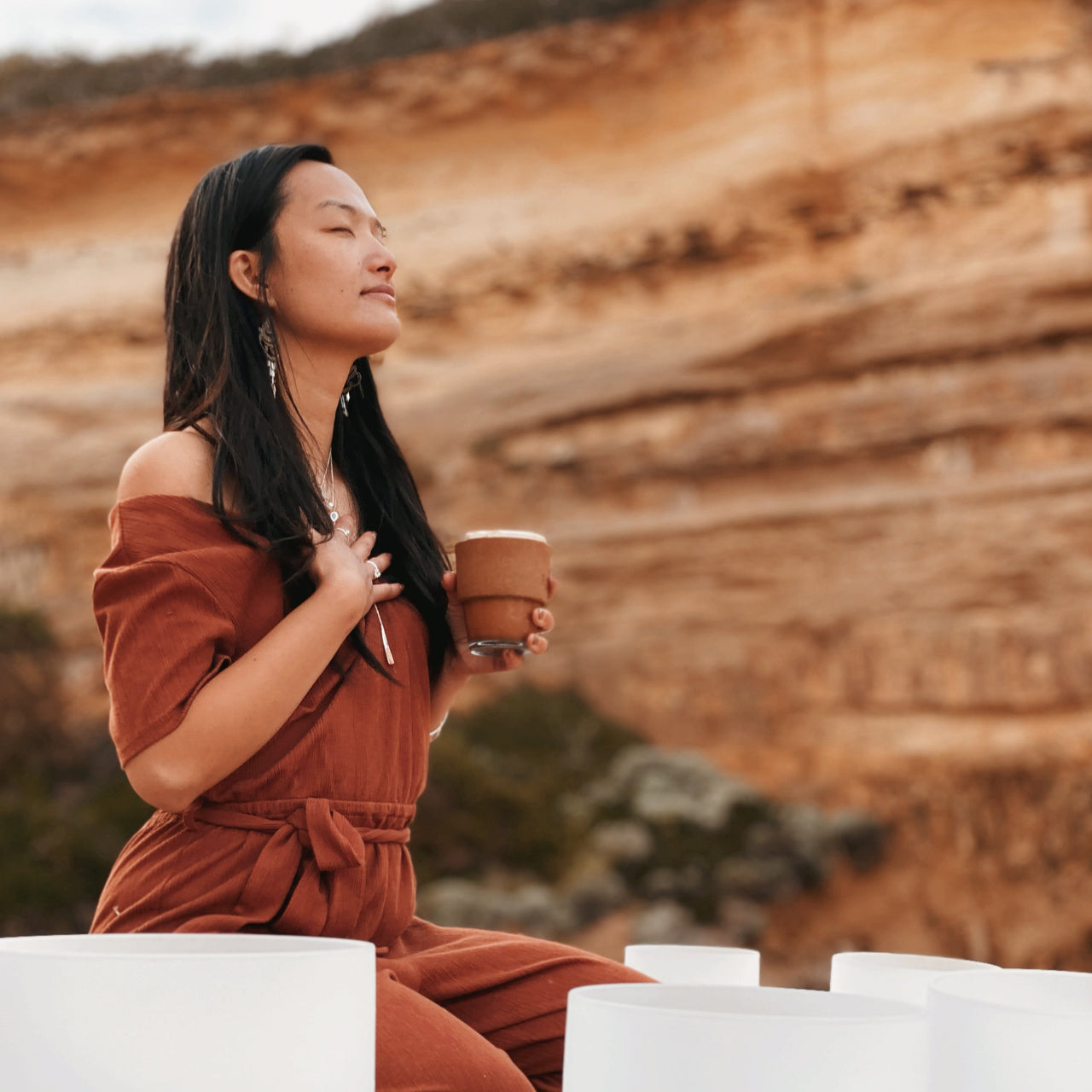










There’s something about sitting with a warm cup of cacao that feels like being wrapped in a blanket straight from the fire. Not the quick hit of coffee, not the sugar rush of supermarket chocolate — but a deeper warmth, one that lingers in the chest and softens the edges of the day.
I first experienced ceremonial cacao in Guatemala, sitting in a circle where the air was thick with woodsmoke and quiet anticipation. The facilitator invited us to pause before we drank, to whisper an intention into the cup. It struck me as simple, yet powerful — an act of slowing down, of choosing presence over hurry. That memory comes back each time I prepare cacao in my kitchen here in Melbourne, especially on chilly winter mornings when the wind bites and I’m looking for something to open, rather than just wake, my heart.
This is where ceremonial cacao stands apart. It’s more than a beverage. It’s a bridge between tradition and modern practice, between the body and the spirit. To really appreciate its effects, it helps to begin with the basics: what it actually is, and why it matters.
What Is Ceremonial Cacao?

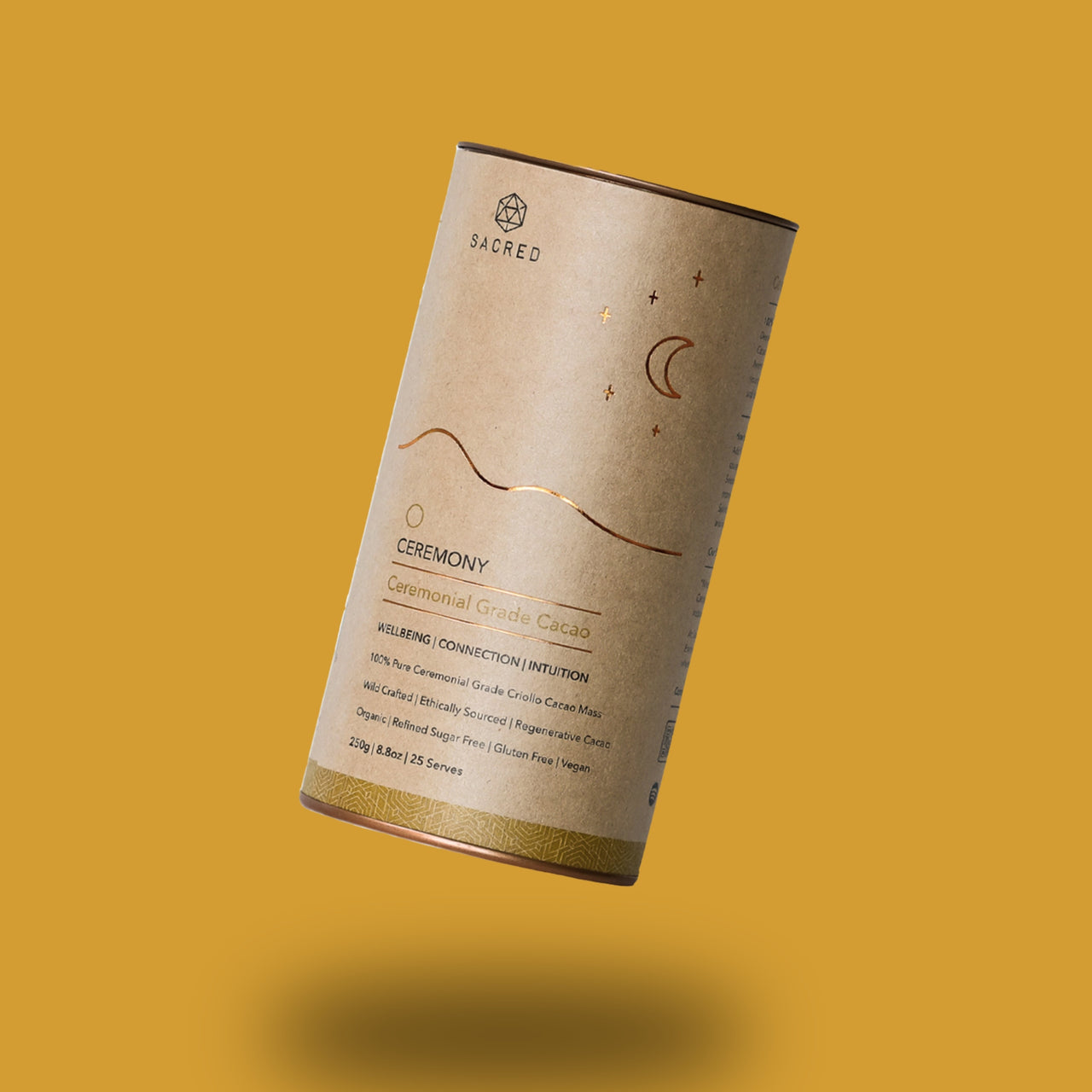
Ceremonial cacao is cacao in its purest form — not the processed powder that lines supermarket shelves, but a paste made from whole cacao beans, ground and pressed to keep their natural fats and nutrients intact. Nothing added, nothing taken away.
The difference is easy to taste. Where regular cocoa can be bitter and flat, true ceremonial cacao carries layers: earthy, nutty, sometimes floral, sometimes with a hint of spice depending on where it’s grown. The first time I made it at home, I was surprised by how thick it felt, almost like drinking the essence of the rainforest itself.
Quality is at the heart of it. Ceremonial cacao often comes from heritage varieties like Criollo or Trinitario. These beans are grown organically, usually by small-scale farmers who pass knowledge down through generations. The process itself is slow and intentional: careful fermentation, sun-drying under open skies, and gentle roasting — just enough to bring out flavour without stripping away the plant’s natural medicine.
To put it simply, ceremonial cacao is:
- Whole and Pure: Made from 100% cacao paste.
- Minimal Processing: Retains natural cacao butter and bioactive compounds.
- Culturally Rooted: Tied to traditional practices in Mesoamerica.
- Nutrient Dense: Packed with magnesium, iron, flavonoids and more.
If I were to explain it to someone in Melbourne at a Sunday market, I’d say: “Think of it as the difference between instant coffee and a carefully brewed single-origin pour-over. Both are coffee, but one carries a story, a lineage, and an energy that you feel beyond the taste.”
Modern Use And Ceremonies
When I first brought cacao home from Central America and introduced it to friends in Melbourne, I was curious to see how people would respond. Some thought it was like a “hot chocolate upgrade.” Others were surprised by the earthy bitterness. But once we added intention, quiet reflection, and the simple act of sharing, something shifted. It wasn’t just a drink anymore — it became a ritual.
What Happens In A Cacao Ceremony Today
Modern cacao ceremonies are flexible, blending ancient traditions with contemporary practices. At their heart, they’re about slowing down, tuning in, and creating connection. Here’s what I’ve observed in circles across Australia and abroad:
- Creating a Sacred Space: The facilitator sets the tone with an altar — maybe candles, flowers, crystals, or personal objects. In Melbourne, I’ve seen people weave in local elements, like eucalyptus leaves or native flowers, alongside cacao, as a way of acknowledging the land we’re on.
- Setting Intentions: Before drinking, participants hold their cup and speak (aloud or silently) an intention: clarity, healing, gratitude, or release. I’ve found that even when someone is sceptical at first, this small act creates a surprising shift in energy.
- Mindful Preparation and Drinking: The cacao is gently warmed with water or plant-based milk — oat and almond milks are common here. Sweeteners (maple syrup, honey) and spices (cinnamon, cayenne, vanilla) may be added, but never cow’s milk, as it blocks absorption of cacao’s compounds. Participants sip slowly, noticing the texture, taste, and how it feels in the body.
- Guided Practice: The ceremony may flow into meditation, breathwork, journaling, ecstatic dance, or sound healing. In Byron Bay, I once joined a circle that moved from silence into drumming and free movement, everyone held by the gentle energy of cacao.
- Integration: Afterwards, there’s usually space for journaling, sharing insights, or simply resting. Many people notice that the effects of cacao linger for hours or even days — softer emotions, clearer thoughts, more patience with themselves and others.
Typical Dosage
- Daily use: 15–25g of cacao paste.
- Ceremonial use: 40–50g, though many facilitators in Australia suggest starting at 25–30g for newcomers.
When I host circles, I always encourage people to listen to their bodies. Some feel the full effect on just 20g. Others, especially those accustomed to coffee, prefer a higher dose for that heart-opening warmth.
A Note On Local Gatherings
Across Victoria, cacao circles are popping up in community spaces — yoga studios in Brunswick, holistic festivals in Daylesford, or intimate living-room gatherings in the Dandenong Ranges. Each one looks a little different, but the thread is the same: cacao as a tool for connection.
Effects And Benefits Of Ceremonial Cacao

The first time I drank a full ceremonial dose — about 40g — I felt as though my chest expanded beyond its physical limits, not in a dramatic, overwhelming way, but with a subtle warmth that made tears rise without any particular reason. That’s why many describe cacao as a heart-opener. It doesn’t force anything. It simply softens the walls we build around ourselves.
Emotional And Spiritual Effects
- Heart Opening: Many participants describe a sense of love, empathy, and connection — not just with others, but with themselves. In my own circles, I’ve seen people who usually struggle to share openly suddenly speak from a very tender place.
- Emotional Release: Cacao has a knack for bringing buried feelings to the surface. One woman in a Melbourne gathering once said, “It’s like the cacao gave me permission to cry without knowing why — and I felt lighter afterwards.”
- Spiritual Benefits: Traditionally, cacao has been tied to prayer, meditation, and ritual. Modern practitioners often use it as a bridge into mindfulness, helping settle the mind for practices like yoga, journaling, or sound baths.
Physical And Mental Effects
Unlike coffee, cacao’s energy is gentle and sustained. I often drink it before writing or guiding a ceremony because it sharpens focus without the jitters.
|
Compound in Cacao |
Effect on the Body |
Everyday Experience |
|
Theobromine |
Gentle stimulant, vasodilator (widens blood vessels) |
Sustained energy, calm alertness |
|
Anandamide (“bliss molecule”) |
Binds to cannabinoid receptors in the brain |
Subtle euphoria, emotional ease |
|
Phenylethylamine (PEA) |
Boosts dopamine, linked to pleasure and motivation |
Enhanced mood, creativity |
|
Flavonoids & Antioxidants |
Reduce inflammation, support heart and brain health |
Long-term cardiovascular and cognitive benefits |
|
Magnesium, Iron, Zinc |
Support energy, nervous system, and immunity |
Improved resilience and vitality |
Therapeutic And Health Benefits
- Cardiovascular Support: Regular cacao intake has been linked to improved blood flow and reduced blood pressure.
- Mood Elevation: Those “feel-good” compounds help ease stress and may support people experiencing mild depression or anxiety.
- Digestive Health: Its natural fibre helps the gut, though too much at once can be heavy.
- Focus and Creativity: I know facilitators who start their workday with cacao instead of coffee for calmer, more focused energy.
The Experience In Everyday Life
Imagine this: a cold Melbourne morning, drizzle streaking the window. You could rush through with a takeaway coffee. Or you could sit for ten minutes with a cup of cacao, whisper an intention — maybe “patience” or “clarity” — and notice how the warmth spreads from your chest outward. That pause alone can shift the whole day.
Ethical And Sustainable Practices
Ceremonial cacao isn’t just about what it does for us. It’s also about how it’s grown, who tends it, and whether the communities at its roots are supported. Each time I prepare cacao in Melbourne, I remind myself: someone, often in the Amazon or Central America, has cultivated, harvested, and fermented these beans with care. That chain of connection matters.
Supporting Farmers And Indigenous Communities
Unlike large-scale chocolate production, which has often relied on exploitative systems, ceremonial cacao is usually sourced from small farms or wild harvests. When I visited a farming cooperative in Peru, I saw firsthand how fair trade practices allowed families to send children to school and invest in replanting the native forest.
Ethical sourcing means:
- Farmers are paid above market rates.
- Communities benefit directly from the trade.
- Biodiversity and soil health are protected.
I’ve met facilitators here in Victoria who go out of their way to ensure their cacao comes from cooperatives where elders pass on traditional fermentation and drying techniques. That respect keeps knowledge alive.
Sustainability And The Land
Cacao thrives in rainforest ecosystems. When it’s grown as part of a diverse canopy — alongside bananas, papayas, and hardwood trees — it supports rather than depletes the land. In contrast, monoculture cacao plantations strip soil and reduce resilience to pests.
Some sustainable initiatives include:
- Agroforestry practices that mimic natural forest systems.
- Reforestation projects where cacao is part of rebuilding degraded land.
- Organic cultivation that avoids chemicals.
Cultural Sensitivity
There’s another layer to this conversation: how we use cacao here in Australia and elsewhere. Cacao ceremonies as we know them today are inspired by ancient traditions but are not the same as those practised by Mayan or Aztec communities.
For this reason, many facilitators — myself included — take care to:
- Verbally acknowledge indigenous cacao lineages before serving.
- Use terms like “cacao circle” or “cacao journey” when approriate, to distinguish modern practice from traditional ritual.
- Seek guidance from indigenous teachers where possible, and ensure they are fairly compensated.
It’s a bit like acknowledging Country before beginning an event in Australia. It doesn’t replicate First Nations ceremony, but it shows respect and honours those who’ve carried knowledge for millennia.
Why It Matters
Without these considerations, cacao risks becoming another “superfood trend,” stripped of meaning and exploitative in its supply chain. But when we approach it with awareness from the soil to the farmers to the ceremony itself it becomes something much more: a relationship of reciprocity.
Ceremonial cacao carries a story that’s bigger than a cup of warm chocolate. It’s a thread that links us back to Mesoamerican civilisations, to rituals of connection, and to the land and farmers who still tend cacao trees today. For me, it’s become both a personal practice and a way of gathering community something that nourishes body, heart, and spirit.
Here in Australia, whether shared in a Brunswick yoga studio, by the fire in the Dandenongs, or quietly in your own kitchen on a wet winter’s morning, cacao invites us to slow down and feel. But with that gift comes responsibility to source ethically, honour indigenous traditions, and respect its potency.
Drink it with intention, and it becomes more than a beverage. It becomes a teacher.