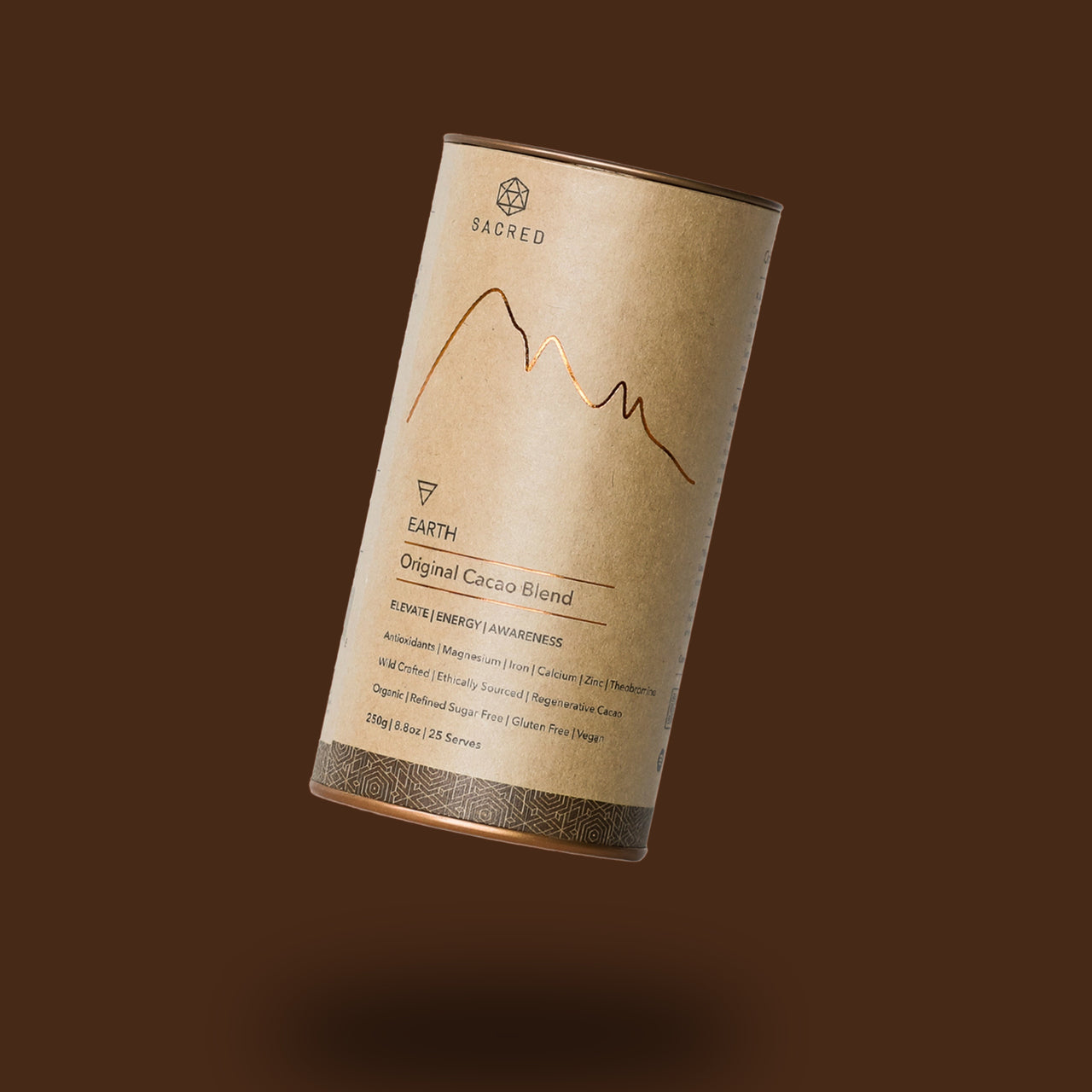











There’s something quietly remarkable about cacao. I remember my first visit to a small, sun-drenched farm in northern Peru, where the air smelled of rich earth and sweet cocoa pods. Farmers guided me through the process of fermenting and drying cacao beans, explaining how careful handling preserves the plant’s heart-opening properties. It was here I began to appreciate that not all chocolate is created equal. What we commonly call “cocoa” has been processed, often to the point that many of its original nutrients are diminished. Understanding the differences between cacao and cocoa isn’t just about choosing a tastier cup—it’s about choosing the one that nourishes your body, mind, and heart.
How Processing Affects Cacao And Cocoa Nutritional Content?
The Minimal Processing Of Cacao: Why It Retains More Nutrients
From my experience in ceremony and cooking, raw cacao is like a living snapshot of the rainforest—it retains almost all the nutrients the bean had when it was harvested. The beans are fermented, sun-dried, and unroasted, preserving delicate enzymes, flavanols, and antioxidants. When cold-pressed into powder, the cacao butter is removed gently, keeping the living compounds intact. This careful handling is why cacao is often referred to as a superfood: magnesium, iron, calcium, and flavonoids are in higher concentrations than in typical cocoa.
Picture this: a Melbourne winter morning, stirring a mug of cacao into hot water while listening to the rain tapping against my window. The drink warms more than just the body—it energises, uplifts mood, and gives a sense of connection to the land where the beans were grown. That’s the subtle power of minimally processed cacao.
The Higher Heat Of Cocoa: Impact On Flavonoids And Antioxidants
Cocoa, on the other hand, often tells a different story. It’s roasted at higher temperatures, sometimes treated chemically, to reduce acidity or bitterness. While this produces a smoother taste, it comes at a nutritional cost. Many of the flavonoids and polyphenols—the compounds responsible for antioxidant activity and anti-inflammatory benefits—are degraded. I’ve noticed this most clearly when comparing two homemade hot chocolate drinks: one from raw cacao and the other from conventional cocoa powder. The cacao version has a richer, more vibrant aroma, and, as research confirms, a higher ORAC value, indicating superior antioxidant content.
In local Melbourne cafés, it’s not unusual to see “hot chocolate” made from Dutch-processed cocoa, which has even fewer antioxidants due to alkalization. While it tastes familiar and sweet, nutritionally, it doesn’t offer the same punch as raw cacao.
Dutch-Processed Cocoa: What It Does To The Nutritional Profile?
Alkalised, or Dutch-processed, cocoa has a glossy, dark colour and mellow flavour that appeals to many palates. However, the process reduces flavonoids by up to 90%, depending on the brand. This is crucial for anyone seeking cacao for heart health, mood enhancement, or brain function. From my time facilitating cacao ceremonies, I’ve learned that participants often feel the difference between minimally processed cacao and more heavily processed cocoa in subtle ways—slightly more alert, a calmer heart rate, and an uplifted mood, which I attribute to preserved bioactive compounds.
If you’re experimenting at home, it helps to think like a cacao farmer: the less you alter the bean, the more you preserve its inherent qualities.
Nutritional Comparison: Cacao Vs Cocoa
A Breakdown Of Nutrients In Cacao And Cocoa Products
From my experience in Melbourne’s cooler months, I often compare cacao and cocoa in a warm mug on a rainy morning. Even when the products come from the same cacao tree, their nutritional profiles can differ sharply because of processing. To make it practical, here’s a snapshot of 1 ounce (28 grams) of various cacao and cocoa products:
|
Nutrient |
Unsweetened Cocoa Powder |
Unsweetened Cacao Nibs |
Semi-Sweet Chocolate Chips |
Dark Chocolate, 70% Cocoa |
|
Calories |
64 |
160 |
140 |
160 |
|
Fat |
3.5g |
11g |
8g |
13g |
|
Saturated Fat |
2g |
2.5g |
5g |
8g |
|
Protein |
5g |
9g |
1g |
2g |
|
Carbohydrates |
16g |
6g |
20g |
14g |
|
Added Sugars |
0g |
0g |
18g |
9g |
|
Fiber |
9g |
3g |
1g |
3g |
|
Iron (% RDI) |
22% |
4% |
12% |
30% |
From this table, you can see that raw cacao nibs and powder are higher in protein and healthy fats, while cocoa and chocolate products often carry extra sugars that dilute their nutritional benefit. In a practical example, when I make cacao-based brownies for a workshop in Fitzroy, participants often comment on the satisfying satiety they feel compared to conventional chocolate versions—they’re getting more nutrients and less sugar in every bite.
Antioxidants And Other Key Compounds: What’s Inside Cacao And Cocoa?
One of cacao’s most compelling claims is its antioxidant content. Flavanols, a type of flavonoid, are much higher in minimally processed cacao than in roasted or Dutch-processed cocoa. Consider these ORAC (oxygen radical absorbance capacity) values per 100 grams:
|
Product Type |
ORAC Value (µmol TE/100g) |
|
Raw Organic Cacao Powder |
98,000 |
|
Cacao Nibs |
62,100 |
|
Unsweetened Cocoa Powder |
26,000 |
|
Blueberries (for reference) |
2,400 |
These numbers explain why cacao is often referred to as a superfood. A single cup of raw cacao contains over 40 times the antioxidants of blueberries. In Melbourne, I’ve seen local wellness cafés highlight this in their cacao ceremonies, showing participants the difference in antioxidant levels through infographics on the walls.
Minerals: Raw cacao is a powerhouse for essential minerals. Magnesium, in particular, is abundant and highly bioavailable, making it excellent for heart health and muscle function. It also provides iron, chromium, manganese, potassium, phosphorus, and copper. In comparison, cocoa often loses some of these nutrients during roasting and alkalization, and commercial chocolates typically add sugar and fats that offset the benefits.
Other Compounds: Both cacao and cocoa contain theobromine and caffeine, which provide gentle stimulation and energy. The levels of these methylxanthines drop in heavily processed cocoa. Cacao also retains natural enzymes and vitamins that can aid digestion and reduce inflammation. For instance, in workshops, I’ve noticed participants report smoother digestion and more sustained energy when consuming a raw cacao drink before meditation, compared to a standard hot cocoa.

The Health Benefits Of Cacao And Cocoa
Antioxidant Power: Fighting Free Radicals With Cacao And Cocoa
From my experience in ceremonial cacao sessions, I’ve seen how a single cup of minimally processed cacao can energise participants without the jittery effect of coffee. The flavanols in cacao work as potent antioxidants, quenching free radicals and protecting cells from oxidative stress. In comparison, typical cocoa powder—especially Dutch-processed—retains far fewer antioxidants due to heat and alkalisation.
Imagine preparing a cacao elixir on a chilly Melbourne morning: as you stir the powder into warm water, the aroma alone signals vitality. Drinking it, you’re not just enjoying a beverage—you’re supplying your body with compounds that actively combat inflammation and oxidative damage.
Cacao’s Heart-Healthy Benefits: Reducing The Risk Of Cardiovascular Disease
One of the most celebrated aspects of cacao is its heart-supporting properties. Flavanols in cacao can improve blood flow, lower high blood pressure, and reduce LDL oxidation—the “bad” cholesterol. In Melbourne, I’ve run heart-health workshops where participants track their blood pressure before and after a month of daily raw cacao consumption, noticing modest but consistent improvements.
Cocoa can offer similar benefits if the flavanol content is high, but the processing often diminishes this effect. For those prioritising cardiovascular wellness, minimally processed cacao is the wiser choice.
Brain Health: How Cacao And Cocoa Improve Memory And Cognitive Function?
Cacao’s flavonoids don’t just benefit the heart—they support the brain. By improving cerebral blood flow and stimulating neurotrophin levels, cacao can enhance memory, focus, and cognitive function. I remember a group in Brunswick where participants enjoyed a cacao session before a creative workshop. By the end of the morning, their attention and engagement were noticeably higher compared to days when they had regular coffee.
Cocoa retains some of these benefits, but with less potency. The difference is particularly noticeable when comparing raw cacao to Dutch-processed cocoa in cognitive-focused experiments.
Cacao For Mood Enhancement: Why It Boosts Your Spirits?
Cacao is nature’s gentle mood enhancer. Its methylxanthines and phenolic compounds promote relaxation and stimulate the production of serotonin and dopamine. In a Melbourne ceremony, I often notice participants’ shoulders relax and their expressions soften within 20 minutes of drinking cacao, creating a sense of calm alertness that chocolate treats rarely achieve.
Cocoa’s processing reduces these compounds slightly, meaning the mood-lifting effect is less pronounced, particularly in highly processed or sugar-laden versions.
Blood Sugar Regulation: Can Cacao Help Manage Diabetes?
Studies and anecdotal evidence both point to cacao’s ability to support healthy blood sugar levels. Polyphenols in cacao may improve insulin sensitivity, regulate glucose uptake, and stimulate insulin secretion. For those living in Australia and managing type 2 diabetes, I often recommend using raw cacao powder in small amounts, combined with natural sweeteners, rather than processed cocoa with added sugar. This ensures the benefits of flavonoids without causing a spike in blood glucose.
Cacao’s Potential In Cancer Prevention: A Nutrient-Packed Powerhouse
Cacao’s flavanols and polyphenols have broad chemopreventive properties. They help interrupt cancer cell replication, reduce inflammation, and slow angiogenesis—the formation of new blood vessels that feed tumours. While cocoa retains some of these compounds, heavy roasting and alkalization reduce the levels substantially. In my workshops, participants are often surprised to learn that a simple cacao drink provides more cancer-fighting antioxidants than many commonly consumed fruits.
Additional Health Benefits: From Skin Care To Bone Health
Beyond antioxidants and heart support, cacao aids digestion, supports bone health, and can even help with mild inflammation. In practical terms, I’ve had participants report better skin hydration and reduced bloating after regular consumption of minimally processed cacao in Melbourne’s dry winter months. Cocoa can contribute to these benefits, but again, the effect is muted due to nutrient loss from processing.
How To Choose The Healthiest Cacao And Cocoa Products?

From my experience in cacao ceremonies, the difference between minimally processed cacao and conventional cocoa is like night and day. Raw cacao, with its beans cold-pressed and unroasted, retains more antioxidants, flavanols, and essential minerals. The fewer the steps in processing, the more the nutrients survive.
In contrast, cocoa—especially Dutch-processed cocoa—loses a significant proportion of these compounds. Even when cocoa looks glossy and tastes smoother, the health-boosting flavonoids may have been drastically reduced. For Melbourne locals, I often suggest trying raw cacao powder in hot beverages or baked treats. You notice a richer, more earthy flavour, and the body responds with subtle vitality—more alert yet calm, a contrast to the sugar-driven energy spike from processed cocoa drinks.
What To Look For On Labels: Understanding Cacao And Cocoa Percentages
When shopping in Australian supermarkets or at local markets like CERES or Prahran Market, the labels can be confusing. Here’s a practical checklist to make it easier:
Cacao & Cocoa Label Checklist
- Look for “raw” or “minimally processed” on cacao powder or nibs.
- Choose 70% or higher cacao/cocoa content for chocolate bars.
- Avoid added sugars and hydrogenated oils—these dilute the health benefits.
- Check for organic certification, which often ensures less chemical interference during processing.
Consider the source region: cacao from Peru, Ecuador, and small-scale Australian suppliers tends to have higher nutrient retention.
By following these points, you’re more likely to get a product that delivers on cacao’s superior nutritional promise.
Moderation Is Key: How Much Cacao Or Cocoa Should You Consume?
Even the healthiest cacao comes with calories and fats, so balance is essential. Here’s a simple daily guide I share with participants:
Daily Cacao Consumption Guide
|
Product Type |
Recommended Daily Amount |
Approx. Calories |
|
Raw cacao powder |
1–2 tablespoons |
~50–100 kcal |
|
Cacao nibs |
10–15g |
~60–90 kcal |
|
Dark chocolate (70%+) |
1–2 small squares (6–10g) |
~100 kcal |
A practical Melbourne example: adding a tablespoon of raw cacao powder to morning oats provides magnesium, antioxidants, and a gentle energy lift—without overloading on calories. Likewise, a single square of dark chocolate in the afternoon can support mood and focus.
From my experience facilitating cacao ceremonies and experimenting with raw cacao in Melbourne kitchens, one truth stands out: less processed cacao retains far more of its natural nutrients than conventional cocoa. Magnesium, flavonoids, polyphenols, and antioxidants all survive when cacao is minimally processed, supporting heart health, brain function, digestion, mood, and even inflammation management. Cocoa can still provide some benefits, particularly in high-cacao content products, but its nutritional impact is diluted by roasting, alkalisation, and added sugars.
Choosing raw cacao or high-percentage dark chocolate allows you to enjoy both flavour and function—boosting energy, supporting cognitive performance, and nourishing your body at a cellular level. Treat cacao as a daily ally, not just a treat, and your body will thank you.