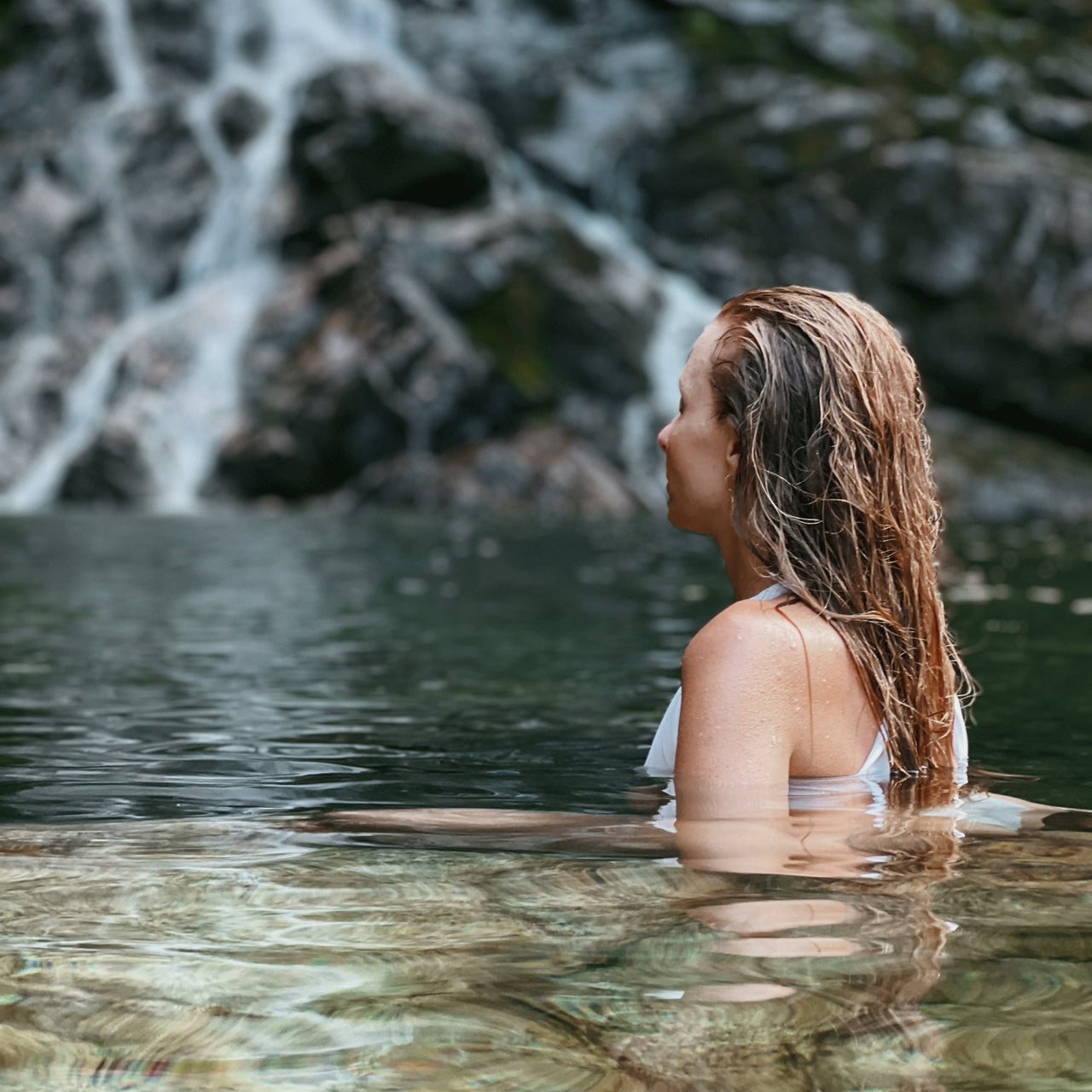










In the rush of daily life, it's easy to forget the power of simple, ancient rituals that connect us to ourselves, each other, and the world around us. One such ritual, the cacao ceremony, has been gaining popularity among wellness seekers and spiritual enthusiasts alike, and for good reason. This heart-opening, soul-nourishing practice is not just about drinking a cup of warm cacao – it's an invitation to slow down, reflect, and tap into deeper emotional, spiritual, and physical healing.
Whether you’re looking to release emotional blockages, strengthen your spiritual journey, or simply explore something new, a cacao ceremony could be the doorway to a more grounded and mindful life. In this guide, we'll walk you through the origins of this ancient practice, its profound benefits, and how you can prepare for and conduct your very own cacao ceremony.
What Is A Cacao Ceremony?

A cacao ceremony is a guided ritual where ceremonial-grade cacao, revered for centuries, is consumed as part of a sacred, transformative experience. While the practice has its roots in ancient Mesoamerican cultures, particularly the Mayans and Aztecs, modern ceremonies have adapted these traditions, blending them with mindfulness and spiritual practices like meditation, intention-setting, and energetic cleansing.
From my own experience, a cacao ceremony isn't just about drinking chocolate (though that part is undeniably comforting!). It's a moment of stillness, a way to pause in our hectic lives, and a chance to reconnect with our hearts. During the ceremony, you sip on cacao that’s been intentionally prepared – no sweetened chocolates here – and the effects can be deeply grounding and eye-opening.
I remember attending my first cacao ceremony in a quiet, cozy space surrounded by like-minded souls. As the cacao’s warmth spread through me, I felt a soft buzz of energy, almost as if my heart had woken up. It wasn’t the caffeine-like rush I expected, but rather a gentle awakening. The experience led me to reflect on my life and my emotions with a clarity I hadn’t felt before. I felt more connected to myself and those around me, and a deep sense of peace settled over me as the ceremony concluded.
The Spiritual And Healing Power Of Cacao
The spiritual and emotional power of cacao lies in its ability to open the heart. Ancient cultures used cacao not just as food, but as medicine for the body, mind, and spirit. It is said to help release emotional blockages, ignite creativity, and foster love and compassion. Theobromine, a compound found in cacao, stimulates the heart and circulatory system, offering a physical manifestation of heart-opening. Many people report feeling lighter, more open, and filled with love and gratitude after a cacao ceremony.
In modern ceremonies, participants often use cacao as a tool for emotional release. It's common to feel the weight of emotions like grief or stress melt away, making space for feelings of joy and connection. Whether you’re working through a difficult experience or simply seeking to expand your emotional capacity, cacao is a gentle guide that helps you navigate the inner landscape.
The spiritual aspect of cacao ceremonies draws on ancient traditions that believed cacao was a gift from the gods, a way to align oneself with the universe. In today’s ceremonies, this spiritual connection remains, with cacao often seen as a conduit for spiritual awakening. For me, each ceremony is a reminder that the answers we seek are often found within us, and cacao helps unlock that deeper wisdom.
Key Benefits Of Cacao Ceremonies
Heart Opening & Emotional Healing
Cacao’s most famous benefit is its ability to "open the heart." Theobromine, a compound found in cacao, stimulates the heart and circulatory system, promoting feelings of warmth and love. I’ve often described it as feeling like a gentle hug for the heart, as it supports emotional release and helps break down emotional blockages.
The heart-opening aspect of cacao ceremonies is deeply personal. In my experience, it’s a safe space to confront emotions that might otherwise be suppressed or ignored. During one ceremony, I felt a deep wave of grief rise to the surface—something I hadn't fully processed. As I sipped the cacao and allowed myself to feel, the emotional release was powerful. It was as if cacao guided me through the process of letting go, creating space for healing.
On a physiological level, cacao stimulates the production of endorphins, serotonin, and dopamine—the “feel-good” neurotransmitters. These chemicals elevate mood, promote relaxation, and reduce stress and anxiety. One of my favourite aspects of the ceremony is the sense of calm and joy that lingers afterwards. It’s not a fleeting high but a grounded, long-lasting sense of peace.
Spiritual Growth & Self-Discovery
Cacao ceremonies also provide a pathway for spiritual awakening and self-discovery. Through the combination of the heart-opening properties of cacao and meditative practices, participants are often able to gain profound insights into their beliefs, desires, and values.
In one ceremony I experienced, the facilitator guided us through a journey of self-inquiry, encouraging us to explore our deepest desires and what we felt disconnected from in life. I was struck by the clarity that came through, as if the cacao had unlocked a deeper part of me. There was a sense of connection to something greater than myself, a reminder that we are all part of the same energy that flows through the Earth.
This sacred space fosters a deeper connection with oneself, others, and the universe. Cacao acts as a gentle facilitator, helping you tune in to your intuition and creating space for reflection. Many artists, healers, and creatives use cacao ceremonies to access flow states, unlock their creativity, and tap into intuitive insight. It's not just a drink—it’s a spiritual tool for personal transformation.
Mental And Cognitive Benefits
While cacao’s heart-opening properties are well-known, it also provides mental and cognitive benefits. Unlike coffee, which can give you a jittery buzz, cacao offers a gentle energy lift, thanks to its theobromine content. This compound boosts alertness and focus, making it an ideal companion for activities like meditation, journaling, or creative work.
During one cacao ceremony, the facilitator encouraged us to set an intention for clarity in our thoughts. I noticed how the cacao allowed me to clear the mental fog I’d been carrying and focus on the task at hand. For me, this was particularly noticeable in a period of creative block I had been experiencing. The clarity that cacao provided opened the flow, allowing me to approach my work with renewed focus and energy.
Cacao also promotes mindfulness by helping to quiet mental chatter and allowing participants to be fully present in the moment. Meditation, often incorporated into ceremonies, helps with self-awareness and acceptance, making it easier to process emotions and gain insights. It's a beautiful way to recalibrate your mind and bring yourself into the present moment.
Physical Health Benefits Of Cacao
While the emotional and spiritual benefits of cacao are often the main focus, its physical health benefits are equally impressive. Raw cacao is rich in antioxidants, flavonoids, and essential minerals like magnesium, iron, and zinc. These compounds contribute to a range of physical health benefits, particularly in the areas of heart health, blood circulation, and overall wellness.
In my own experience, I’ve felt a tangible shift in my energy after drinking ceremonial cacao. It’s more than just a temporary pick-me-up; the sustained energy I feel after a ceremony comes from the deep nourishment cacao provides to the body. The flavonoids in cacao are known to improve blood flow, lower blood pressure, and even reduce the risk of heart disease. In fact, some studies suggest that regular cacao consumption can have long-term benefits for cardiovascular health.
Magnesium, which cacao is abundant in, plays a key role in supporting muscle function, regulating the nervous system, and promoting mental relaxation. I’ve found that after a cacao ceremony, I feel a sense of ease in my body, especially in areas where I tend to hold tension, such as my shoulders and neck. It’s as if the cacao is working in the background to dissolve any physical tightness or stress.
Cacao also supports the immune system and can reduce inflammation. For those of us living in Australia’s unpredictable climate, where seasonal changes can wreak havoc on our immune systems, this is a welcome benefit. Drinking ceremonial cacao, particularly during the colder months, can give your body the support it needs to stay resilient and balanced.
Preparing For A Cacao Ceremony
Setting The Right Intention For The Ceremony
One of the most important aspects of any cacao ceremony is setting a clear intention. This is your guiding star, the energy you bring into the space. It’s crucial to approach this part of the ceremony with mindfulness and authenticity. Whether your intention is to seek healing, clarity, creativity, or peace, it should come from the heart.
I always find that the most powerful intentions are the simplest. A few years ago, during a particularly challenging time, my intention was simply: "I want to open myself to healing." The clarity that came from this intention was profound. It helped me focus on what truly mattered and provided a sense of direction. Other times, my intention has been around creativity—asking cacao to help me overcome writer's block or access new ideas.
Your intention doesn't need to be grand or overly complex. It should resonate with where you are at that moment. If you’re unsure, start by asking yourself what you need most—love, guidance, emotional release—and allow the cacao ceremony to be a catalyst for your journey.
Preparing Your Body & Mind
Just as important as setting your intention is preparing your body and mind for the ceremony. It’s recommended that you eat lightly before the ceremony, ideally 2-3 hours beforehand. This allows your body to fully absorb the cacao and ensures that you’re not distracted by a heavy meal in your stomach.
Focus on easy-to-digest whole foods like fruits, vegetables, and grains. Avoiding rich, spicy, or heavy foods is key, as is cutting out animal products, alcohol, caffeine, and processed foods for 24-48 hours prior to the ceremony. This helps clear the body of any excess toxins, which can enhance the experience.
In my experience, I’ve also found that staying hydrated before and after the ceremony makes a huge difference. Water helps flush out any toxins and supports the body in processing the cacao’s compounds. A good rule of thumb is to drink water throughout the day leading up to the ceremony, ensuring you’re feeling well-hydrated.
Mental preparation is equally important. Before the ceremony, I find it helpful to set aside time for breathwork or journaling to clear my mind. This helps me let go of distractions and enter the ceremony with a calm, focused mindset. Meditation, even for just 10-15 minutes, can help you tune in to your inner world and get into a reflective state.
Creating A Sacred Space For The Ceremony
The environment you create for your cacao ceremony can have a profound impact on your experience. Choosing a quiet, comfortable, and undisturbed location is the first step. It’s important to have a space where you won’t be interrupted, allowing you to fully immerse yourself in the ritual.
In my home, I like to set up a small altar before the ceremony. I place candles, crystals, and sometimes a few flowers or meaningful objects to help create a sense of sacredness. I’ve found that lighting candles or burning incense can also help elevate the energy in the space, preparing it for the ceremony.
The atmosphere should be peaceful and calming. Soft music, or even nature sounds, can further enhance the mood, helping to guide you into a more meditative state. The key is to create an environment that feels nurturing, safe, and conducive to reflection.
How To Prepare Ceremonial Cacao
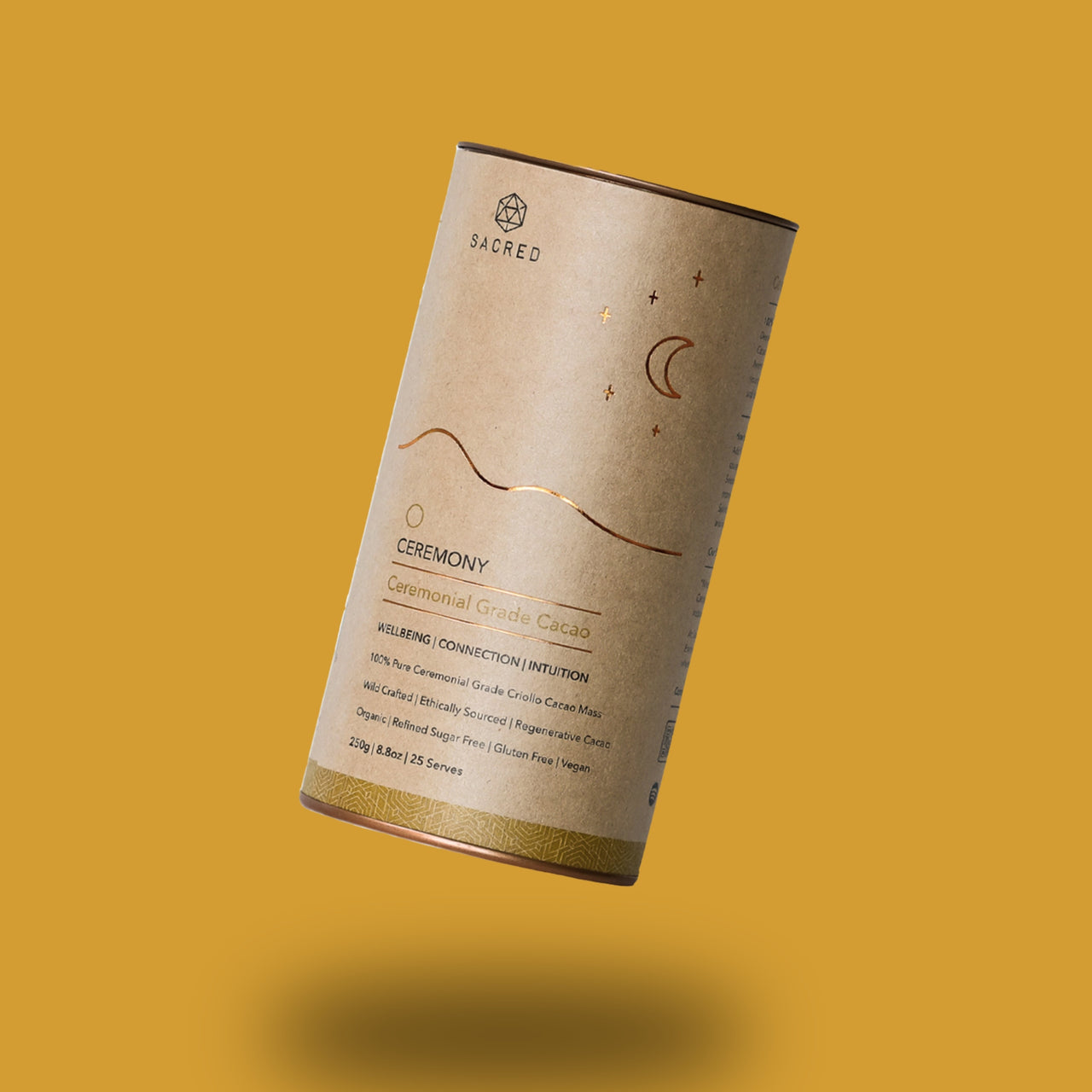
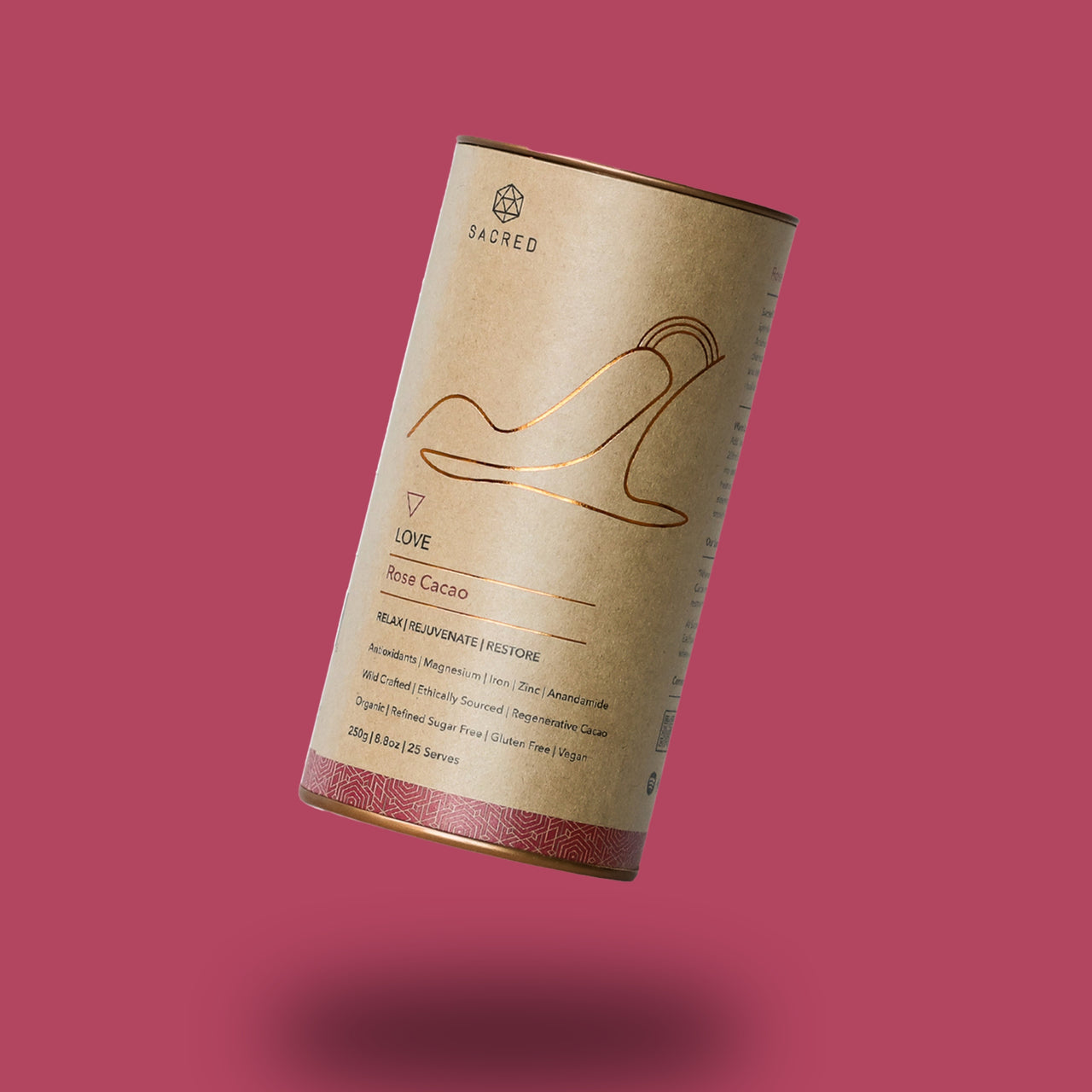
For a truly authentic cacao ceremony, it's important to use high-quality, ceremonial-grade cacao that has been ethically sourced. In some ceremonies I’ve participated in, the cacao is prepared with intention and care—slowly melted with hot (but not boiling) water or plant-based milk, and sometimes spiced with cinnamon, cayenne pepper, or vanilla.
The preparation of the cacao itself can be a meditative process. I often take my time stirring the cacao, focusing on the intention I’ve set and the energy I want to invite into the ceremony. If you're preparing cacao at home, try to keep the process mindful—this is part of the ceremony itself. You may also want to add a natural sweetener like honey or maple syrup, depending on your personal preference.
Conducting A Cacao Ceremony

The Core Flow Of A Ceremony
A cacao ceremony follows a beautiful, intentional flow that guides you through the experience from start to finish. While the specifics may vary depending on the facilitator or setting, most ceremonies follow a similar structure. Here’s how it typically unfolds:
- Opening the Ceremony
The ceremony begins with an acknowledgment of cacao’s sacred origins. Often, this includes expressing gratitude for the cacao, the earth, and the spirit of the plant. It’s a way to honour the journey that cacao has taken—from ancient times in Mesoamerica to the present moment, and the transformative work it can do within us.A shared intention is also set at this stage. Participants might voice their personal intentions aloud or simply hold them in their hearts. This collective intention-setting creates a unified energy in the group, which can amplify the power of the ceremony. I’ve noticed that when people speak their intentions openly, the experience becomes more personal and impactful. - Mindful Drinking
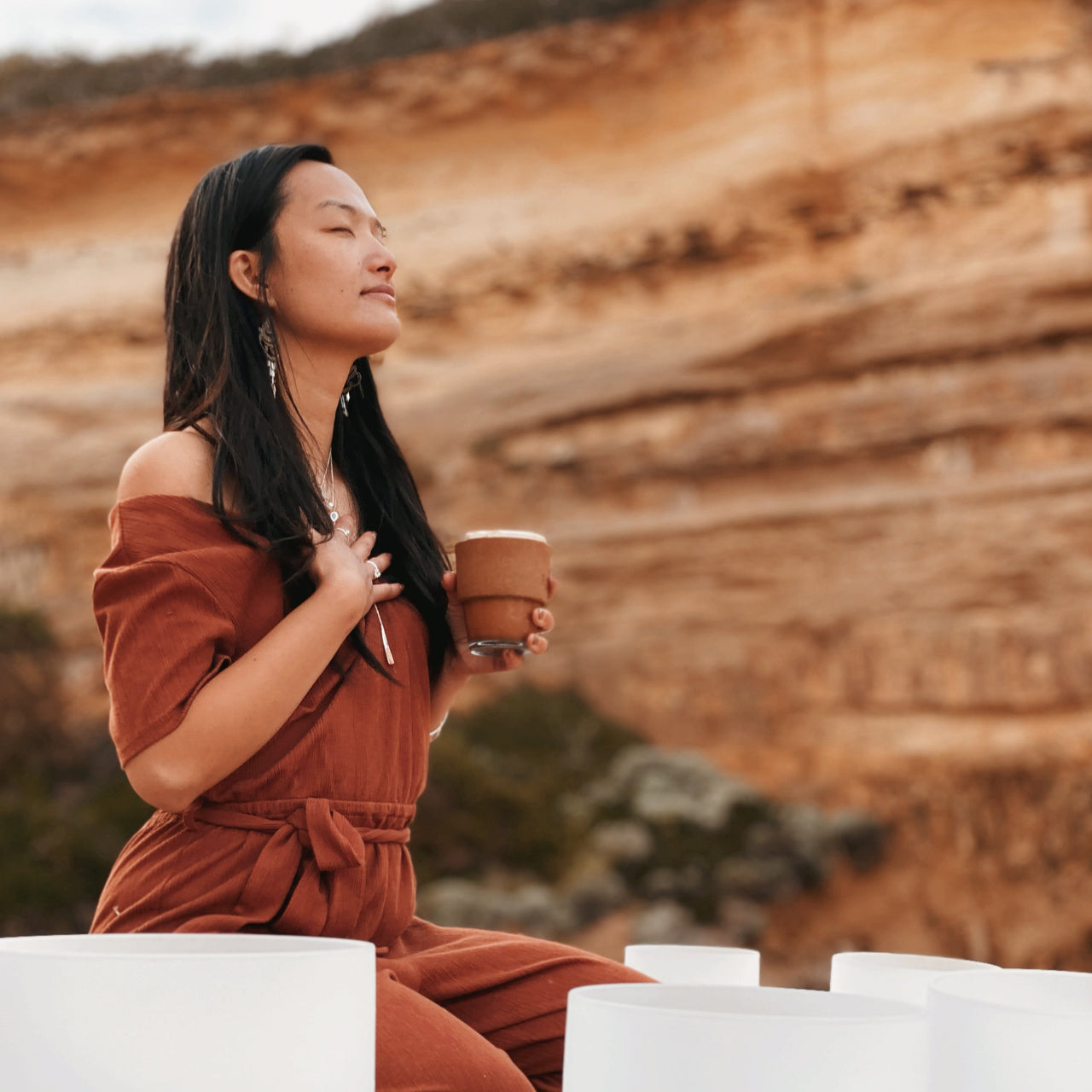
As the cacao is served, participants are invited to hold their cups with both hands, feel the warmth of the beverage, and take in the rich, earthy aroma. Drinking the cacao is a sensory experience, and it’s important to sip slowly and mindfully. The focus here is on being present in the moment—on the warmth of the drink, its taste, and the sensations it creates in the body.During my first cacao ceremony, I remember how intentional this moment felt. The act of drinking became a meditation, a chance to centre myself before diving deeper into the emotional and spiritual work. It was almost as if the cacao itself was inviting me to slow down and take notice of the present moment. - Ceremonial Activities
After drinking, the ceremony may include a range of activities designed to facilitate deeper connection and healing. These can include breathwork, guided meditation, journaling, or even gentle movement like yoga or dance. Music is often played to help set the tone and guide emotional release.I’ve participated in ceremonies where gentle yoga was incorporated. The cacao allowed my body to feel more open, and I found that my yoga practice flowed more freely than usual. In another ceremony, the facilitator played calming music that helped me enter a meditative state, which deepened my emotional release. - Sharing and Reflection
One of the most powerful aspects of a group cacao ceremony is the opportunity to share and reflect with others. If you're attending a group ceremony, participants may be invited to share their intentions, experiences, or emotions that arose during the ceremony. This creates a sense of community and collective healing.When I attended a group ceremony, we sat in a circle and took turns sharing our experiences. Some people cried, others laughed, but the sense of vulnerability and connection was palpable. I felt a deep sense of support from the group, and I learned that we were all going through similar emotional experiences. This shared space of openness helped me feel less isolated in my own journey. - Closing the Ceremony
As the ceremony nears its end, participants offer gratitude for the cacao, the sacred space, and the experiences shared. This closing allows participants to ground and integrate the insights and emotions they’ve processed. I’ve always found that closing with gratitude brings a sense of closure and peace to the experience. A simple gesture like placing your hand over your heart and thanking the cacao for its wisdom can help seal the ceremony. In some ceremonies, the facilitator may guide the group through a final meditation to help participants return to their daily lives with a sense of clarity and calm.
Ethical Considerations And Cultural Sensitivity
Honouring The Origins Of Cacao Ceremonies
While cacao ceremonies are beautiful practices that can deeply enhance personal and collective healing, it’s important to approach them with respect for their cultural origins. As cacao ceremonies gain popularity, it's crucial to be aware of cultural appropriation and to approach the practice with sensitivity.
The cacao ceremony is rooted in ancient Mesoamerican traditions that have been passed down through generations. As such, it’s essential to acknowledge and honour these traditions when practising cacao ceremonies. If you're facilitating a ceremony, it’s important to offer recognition of cacao’s historical and spiritual significance, especially if you are not from a culture that traditionally practices these rituals.
In my experience, the best way to show respect is through education and humility. I’ve taken the time to read about the history and cultural significance of cacao and have attended workshops where indigenous practitioners share their knowledge and wisdom. This has helped me understand the deep spiritual connection that many cultures have to cacao and how to hold the practice with the reverence it deserves.
Responsible Sourcing Of Ceremonial Cacao
Equally important is the ethical sourcing of cacao. Many modern cacao ceremonies use ceremonial-grade cacao that is ethically sourced from indigenous communities. When sourcing cacao, it's vital to ensure it is sustainably produced and that the farmers are paid fairly for their work. Fair trade and direct trade cacao ensure that the workers involved in the process receive proper compensation for their efforts.
I’ve made it a point to research where my cacao comes from, ensuring that the companies I buy from support the communities that produce it. By choosing ethically sourced cacao, we not only honour the spirit of the plant but also help support the livelihoods of the farmers and their communities.
Training And Humility
When leading or participating in a cacao ceremony, it’s important to acknowledge the need for proper training and experience. Facilitating a ceremony requires a deep understanding of the practice, a commitment to holding sacred space, and a responsibility to honour the cultural roots of the ritual. If you’re not from an indigenous background, it’s important to approach cacao ceremonies with humility, seeking training from knowledgeable teachers and continually educating yourself about cultural appropriation.
In my journey with cacao ceremonies, I’ve always sought out teachers who respect the sacredness of the practice and who are committed to sharing the traditions in an ethical way. This approach has helped me grow in my own practice and has deepened my connection to cacao’s transformative power.
Contraindications And Precautions In Cacao Ceremonies
While cacao is generally safe and beneficial for most people, there are a few precautions to be aware of, especially when consumed in higher doses during ceremonies.
Health Precautions For Certain Conditions
- Medications
Cacao may interact with certain medications, especially those related to mental health. For instance, individuals taking MAOIs (Monoamine Oxidase Inhibitors) should avoid cacao entirely, as it can cause dangerous spikes in blood pressure. Similarly, those on SSRIs (Selective Serotonin Reuptake Inhibitors) or 5-HTP should exercise caution when consuming cacao, as it can affect serotonin levels. - If you're on any medication or have concerns, it's always a good idea to consult a healthcare professional before participating in a cacao ceremony.
- Heart Conditions and Blood Pressure
Because cacao contains theobromine, which can increase heart rate and lower blood pressure, individuals with heart conditions or unstable blood pressure should consult a doctor before consuming cacao in large quantities. Starting with smaller doses is recommended for these individuals. - Sensitivity to Stimulants
Cacao can have stimulant effects, especially for people sensitive to caffeine or theobromine. If you’re prone to anxiety or heart palpitations, you may want to start with a smaller dose and see how your body reacts. - Pregnancy and Breastfeeding
While cacao is generally safe in moderation, those who are pregnant or breastfeeding should consult with their doctor before consuming it in large quantities due to the caffeine and theobromine content. - Other Conditions
Cacao can also exacerbate conditions like migraines, gastrointestinal issues (e.g., IBS), or eye pressure issues (like glaucoma). Starting with small doses and consulting a healthcare provider is recommended for these conditions.
Cacao ceremonies offer a profound opportunity for emotional healing, spiritual growth, and personal transformation. Rooted in ancient traditions, this sacred ritual invites us to slow down, open our hearts, and reconnect with our true selves. Whether you're seeking clarity, emotional release, or a deeper connection to the universe, cacao provides a gentle yet powerful guide on your journey.
From heart-opening experiences to mental clarity and spiritual awakening, the benefits of cacao ceremonies are vast and personal. But perhaps most importantly, they remind us of the healing power of sacred rituals and the importance of setting intentions, cultivating mindfulness, and respecting the cultural heritage of these ancient practices. If you're ready to explore cacao's transformative energy, take the first step in creating your own cacao ceremony and open your heart to the healing journey that awaits.