









Finding moments of deep healing can sometimes feel like chasing a mirage. Yet, for centuries, Indigenous cultures and ancient traditions have held keys to self-discovery and emotional release—tools that are just as potent today. Among them, the Medicine Wheel and Ceremonial Cacao stand out as two profound gateways to holistic well-being. Each offers a path to reconnect with ourselves and the earth, weaving together emotional, physical, and spiritual healing.
As someone who has participated in several cacao ceremonies, I can attest to the heart-opening effects it brings. When combined with the timeless wisdom of the Medicine Wheel, it becomes a powerful ritual for transformation. Through this guide, I’ll walk you through the significance of both, how they work in harmony, and how you can bring their healing power into your life.
What Is The Medicine Wheel?
The Medicine Wheel is more than just a symbol; it’s a sacred map of life itself. For Indigenous peoples across North America, this wheel represents the interconnectedness of all beings and the cyclical nature of existence. Imagine it as a compass for life—a tool that helps us navigate through personal challenges, spiritual growth, and emotional healing.
I first encountered the Medicine Wheel while volunteering with an Aboriginal community in Northern Australia. The elders shared with me how they use the wheel to honour the Four Directions, each representing a different part of life’s journey. In their view, understanding the Medicine Wheel is like learning the rhythm of the earth—it brings balance to all aspects of life. The wheel’s four quadrants symbolise the Four Directions, Four Sacred Medicines, Four Stages of Life, and Four Aspects of Wellness: physical, emotional, mental, and spiritual.
The Four Directions And Their Meaning
Each direction on the Medicine Wheel offers unique insights into our growth. Picture standing at the centre of the wheel. The East is where the sun rises—symbolising new beginnings and renewal. For me, the East represents those early moments in life, full of hope and possibility. The South represents youth, where we learn, grow, and embrace life with unbridled enthusiasm. I’ve often felt this energy in the vibrant landscapes of Queensland, where the land pulses with vitality.
The West is associated with adulthood and the challenges that come with it—facing trials, processing emotions, and understanding our place in the world. I think back to my time in the Sunshine Coast, when I spent weeks reflecting on personal losses. It was in the West where I learned the true meaning of resilience. Finally, the North signifies elderhood and wisdom, a place of deep reflection. It’s where we find clarity in the final stages of life and prepare for the next phase.
In every direction, there is a sacred medicine—plants like Sweetgrass, Sage, Tobacco, and Cedar that help us align with these energies. They play a crucial role in clearing space, protecting our intentions, and purifying our hearts as we walk this sacred journey.
The Cultural Significance Of The Medicine Wheel In Indigenous Traditions
The Medicine Wheel is not just a set of teachings; it’s a living tradition passed down through generations. Its symbolism can be found throughout many Indigenous cultures, and each tribe has its own interpretation of the wheel. The Ojibwe people, for example, associate yellow with the East, red with the South, black with the West, and white with the North. These colours, together with their respective energies, paint a vivid picture of the journey we take through life.
When I sat down with an elder in the Murrumbateman region of New South Wales, he explained the Medicine Wheel as a representation of the natural balance. "When one part of the wheel is out of alignment," he said, "it affects everything else." And that’s something I’ve come to understand deeply. Whether through personal struggles or moments of clarity, the Medicine Wheel’s cyclical nature reminds us that life is constantly evolving, and it’s our job to stay aligned with these natural rhythms.
Ceremonial Cacao: A Sacred Plant Medicine For Healing
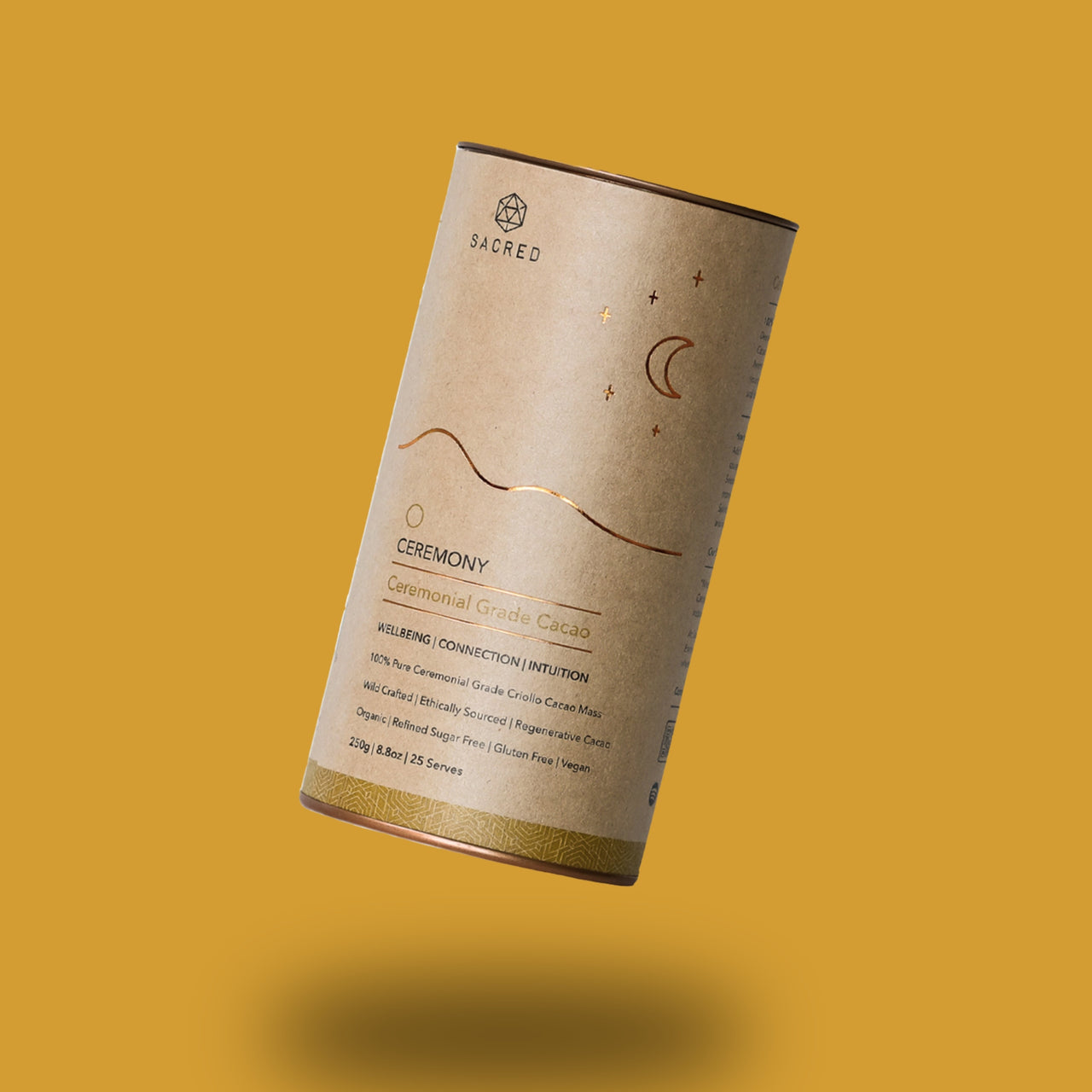
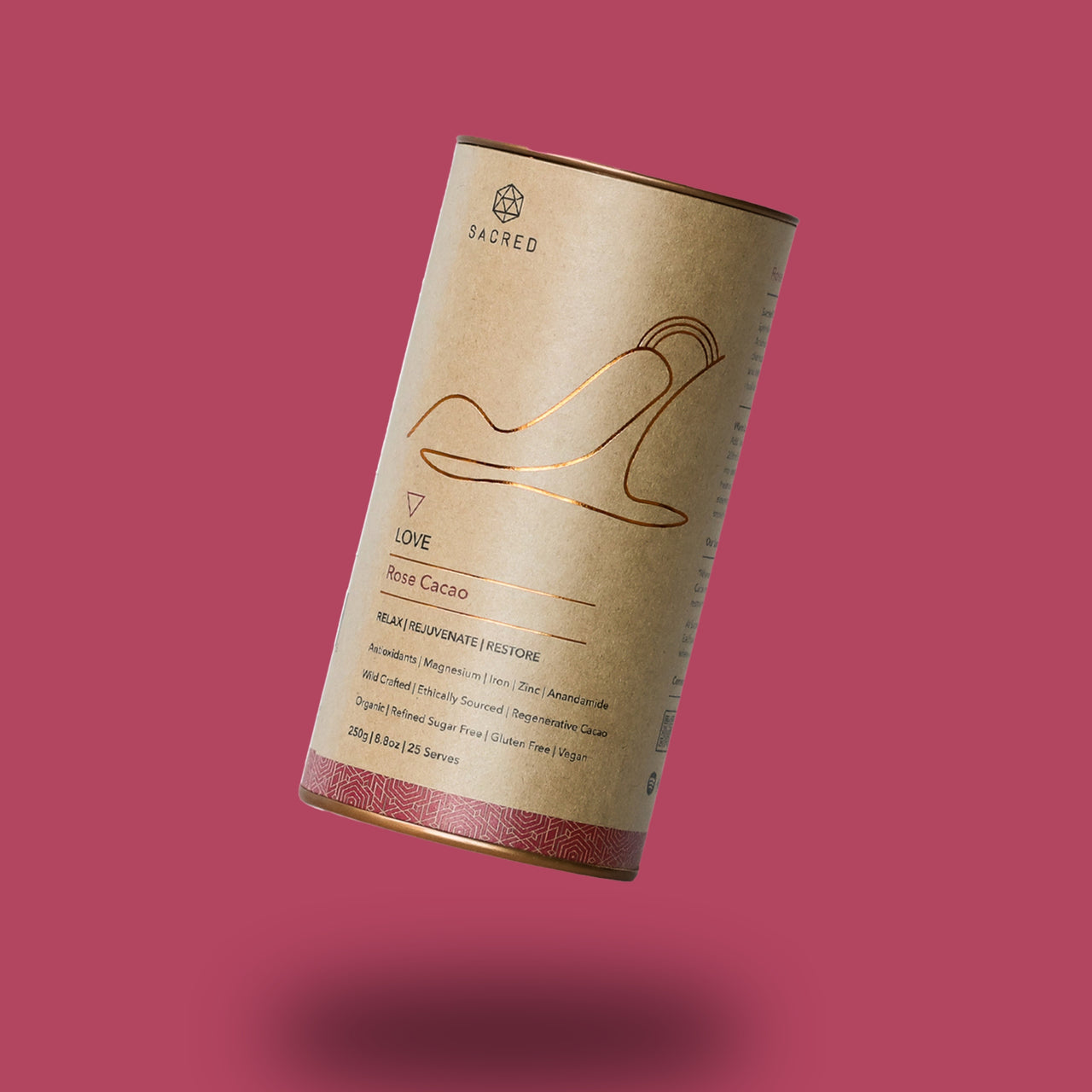
When we talk about Ceremonial Cacao, we’re not talking about your average cup of hot chocolate. Ceremonial cacao is a raw, minimally processed form of the cacao bean, revered for thousands of years by the Maya, Aztec, and other Mesoamerican cultures. For them, cacao was more than a food—it was considered "the food of the gods" and a sacred tool for connection with the divine. But it’s not just the ancient cultures that appreciate cacao’s healing properties. In modern ceremonies, cacao has found its way back into our hearts, offering a unique way to access deep emotional and spiritual healing.
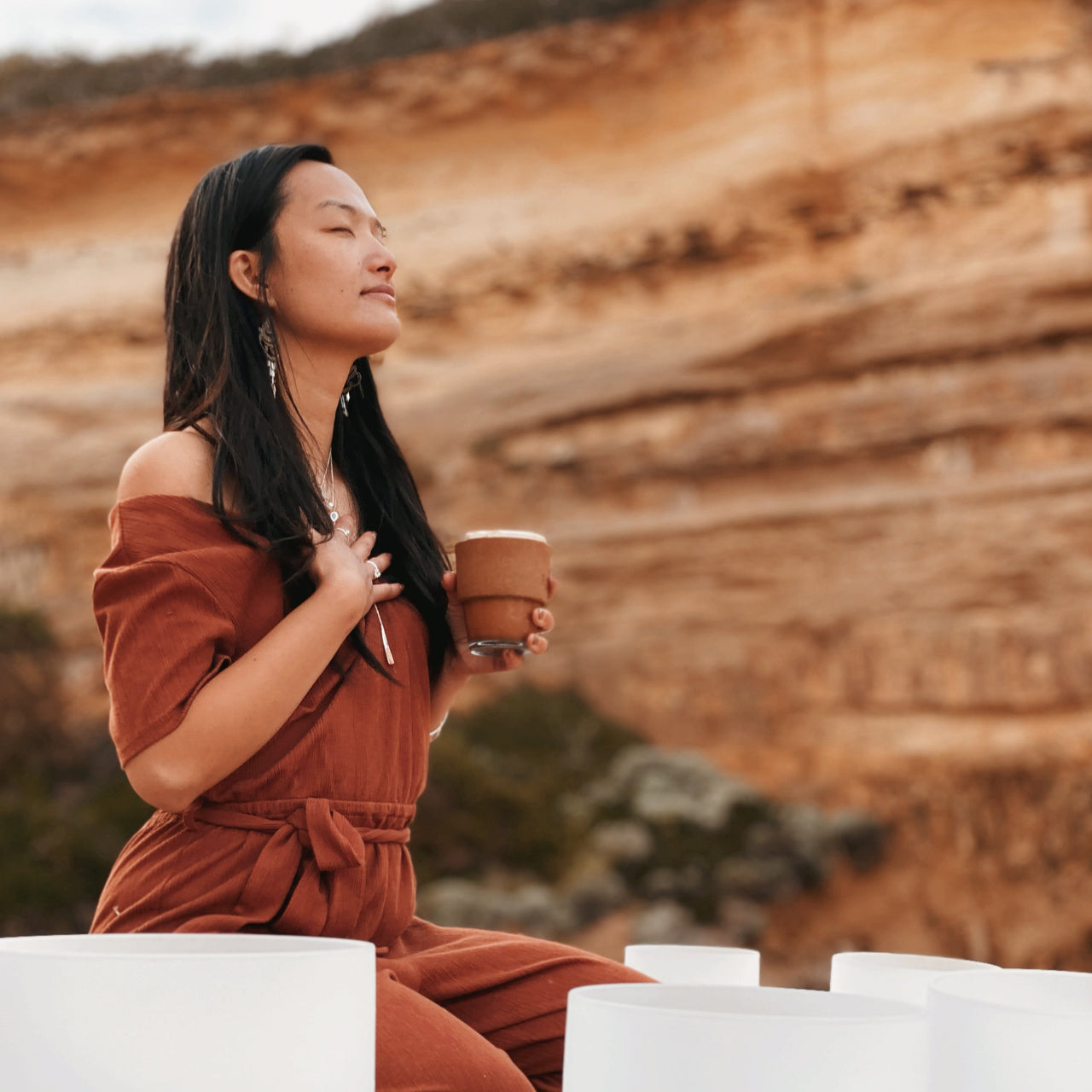
I first experienced the magic of ceremonial cacao during a retreat in the Blue Mountains, just west of Sydney. As the warm, rich liquid passed my lips, I felt an immediate shift—a lightness in my chest, as if a weight had been lifted. It wasn’t just the taste that made it special, but the intention behind it. This wasn’t just about drinking something; it was about entering into a sacred space, honouring the cacao as a guide for emotional release and spiritual awakening.
Heart Opening And Emotional Healing With Ceremonial Cacao
Ceremonial cacao is often called heart-opening medicine, and for good reason. The compounds in cacao work together to gently open the heart, creating a space for emotional clarity and healing. One of the key compounds is theobromine, which increases blood flow to the heart and brain, bringing a sense of warmth and openness. Unlike caffeine, theobromine offers a more subtle energy boost, allowing you to feel awake yet relaxed—perfect for a deep, introspective experience.
Anandamide, known as the "bliss molecule", is another powerful compound in cacao. It creates feelings of joy and well-being, helping to balance mood and reduce stress. I recall sitting in a ceremony, surrounded by others, each of us sipping our cacao, as the "bliss molecule" seemed to wash over the group. People began sharing vulnerable stories, and the space felt more open than ever. It wasn’t just the cacao; it was the energy of the group, held together by the ceremonial setting.
But the real magic comes from phenylethylamine—the "love molecule". This compound is known to enhance mood, reduce anxiety, and foster emotional balance. It can make the mind feel lighter and more open, making it easier to access deep emotions and release what no longer serves us. This is why cacao is often used in ceremonies to help people process grief, trauma, and anxiety.
The Therapeutic Properties Of Ceremonial Cacao
Ceremonial cacao isn't just about the spiritual journey; it's also a nourishing superfood. Rich in magnesium, it helps with muscle and nerve relaxation, which is why it’s often used in ceremonies to release physical tension and ease the body. On a deeper level, cacao offers flavonoids, powerful antioxidants that improve cardiovascular health, reduce inflammation, and boost cognitive function. For someone who has experienced chronic stress or physical exhaustion, cacao can act as a healing balm for the body and mind.
At one cacao ceremony I attended on a crisp autumn evening in Tasmania, I saw firsthand how cacao facilitated profound emotional release. A woman, who had been struggling with anxiety for years, suddenly found herself overwhelmed by emotions as the cacao began its work. She began to speak from a place of deep vulnerability, her voice shaking, but there was no judgment, only a supportive community. The cacao, combined with the safe, sacred space we created, allowed her to process and release the emotional tension she had been holding for so long.

Integrating The Medicine Wheel And Ceremonial Cacao For Holistic Healing
Creating Sacred Space: Combining Ancient Healing Practices
When it comes to integrating the Medicine Wheel with Ceremonial Cacao, the process is deeply spiritual and transformative. These two powerful tools, when combined, offer a framework for not only physical and emotional healing but also spiritual awakening. The Medicine Wheel provides structure, while cacao acts as a heart-opening catalyst that deepens the work.
The first step in any ceremony is to create a sacred space. This is where intention setting and ritual preparation come into play. I’ve found that the power of the ceremony is in the environment you cultivate—your surroundings must resonate with reverence and respect. Here’s a basic checklist to set up your sacred space for a combined Medicine Wheel and cacao ceremony:
|
Step |
Action |
|
Create boundaries |
Define the sacred space with objects like crystals, candles, or natural items. |
|
Cleansing |
Use sage, cedar, or sweetgrass to purify the space and participants. |
|
Call in the Four Directions |
Honour the cardinal directions and their energies. |
|
Gather sacred items |
Include objects that resonate with the energies of each direction (e.g., feathers, stones). |
|
Set up the cacao altar |
Place the cacao beans, a bowl, and any ceremonial items used to prepare the drink. |
The energy in the space becomes a living, breathing entity as you begin to set intentions. The Four Directions of the Medicine Wheel act as a framework for where you focus your energy—each direction will guide you through different aspects of life’s journey.
The Role Of The Four Directions In Cacao Ceremonies
In a combined cacao and Medicine Wheel ceremony, each of the Four Directions has a unique energy that aligns with the process of emotional and spiritual healing. Below is how the Medicine Wheel and cacao connect through these directions:
|
Direction |
Symbolism |
Role in Ceremony with Cacao |
|
East |
New beginnings, clarity |
The East is where the sun rises and where we begin. In the ceremony, cacao’s heart-opening qualities help participants set their intention for healing and clarity. It’s the time for visionary work and understanding one’s spiritual path. |
|
South |
Youth, growth, passion |
Cacao in the South stirs passion, allowing you to connect with your youthful energy and desire for growth. This is where emotional expression happens, and the energy of the South invites participants to explore their heart space, often with profound releases of suppressed emotions. |
|
West |
Adulthood, reflection |
Cacao ceremonies in the West facilitate deep emotional release, allowing participants to reflect on their life journey. The medicine nurtures emotional clarity, helping you process past experiences and embrace healing. |
|
North |
Elderhood, wisdom |
The North calls for wisdom and reflection. As cacao opens the heart, it brings profound insights into one’s purpose and life’s lessons. Cacao in the North amplifies the ability to connect with inner wisdom, fostering spiritual growth and the understanding of the soul’s journey. |
I’ve experienced this interplay during a cacao ceremony held in a remote coastal area in Western Australia. The shaman guiding us had us drink cacao while standing in the sacred space, with each participant facing a different direction. As I held the cacao in my hands, I felt a deep connection to the East, and my heart swelled with clarity and purpose for the healing ahead. The energy was palpable, as if each direction called to me with its unique presence.
Cacao Ceremony Preparation And Practice
A cacao ceremony is not simply about consuming a drink. It is a ritual steeped in intention and mindfulness. The ceremony begins with preparation—physically and spiritually. The Medicine Wheel teaches us that true healing comes from balance in all directions, and this is mirrored in the way cacao is prepared and consumed.
Here's how you can prepare for a combined Medicine Wheel and Ceremonial Cacao ceremony:
1. Create Sacred Space: Follow the checklist above to define your sacred environment.
2. Set an Intention: Honour the Four Directions by setting personal intentions for healing and transformation. Think about what you want to release emotionally, mentally, and spiritually.
3. Prepare the Cacao: Brew your ceremonial cacao slowly with care, adding spices like cinnamon or chilli to enhance the effects. The slow preparation helps bring you into alignment with your intention.
4. Connect with the Four Directions: Call upon the Four Directions one by one, asking for guidance and clarity in each aspect of your life. This might include singing, drumming, or simply sitting in quiet reflection.
5. Mindful Consumption: As you sip the cacao, focus on your intention. Allow yourself to feel the warmth of the drink in your body and let the heart-opening properties begin their work.
I’ve led several ceremonies following this structure, and each time, it’s a transformative experience. One evening in Victoria’s Yarra Valley, after a deeply personal intention-setting practice in the South, one participant shared that they felt an immediate release of grief they had been carrying for years. The cacao, combined with the Medicine Wheel’s energy, created a safe space for them to express what had been repressed for far too long.
The Path To Emotional And Spiritual Connection Through Cacao
Heart-Opening Benefits Of Cacao In Ceremony
Ceremonial cacao is often referred to as the “medicine of the heart,” and it’s easy to see why. When consumed with intention, cacao has the unique ability to open the heart, inviting emotional release, fostering self-compassion, and allowing for a deeper connection to spiritual self. I’ve seen firsthand how this profound effect works during group cacao ceremonies in New South Wales, where participants shared stories of heartache and healing in a way that felt safe and nourishing.
Cacao’s heart-opening properties are primarily attributed to its rich blend of compounds like phenylethylamine (PEA), theobromine, and anandamide—the "bliss molecule". Together, these ingredients bring emotional balance and mental clarity. Cacao works gently on the emotional body, allowing people to release emotional blockages, sometimes buried for years.
One evening, during a cacao ceremony at a retreat in the Dandenong Ranges, a participant described how she had felt "closed off" from her emotions for years, struggling to process trauma. After consuming the cacao with intention, she shared, “It felt like something in my chest opened up. I started crying, but not from sadness—more like I was shedding something heavy I had been holding onto for so long.” This was the power of cacao’s heart-opening effects, facilitating not just emotional release but also an opportunity for healing.
Shifting Consciousness And Accessing Higher Realms
When we enter into a cacao ceremony, we are often seeking a shift in consciousness—a deeper connection with ourselves, our intuition, and the spirit realm. I’ve found that cacao acts as a powerful tool to access higher realms of consciousness, guiding participants through introspection, spiritual connection, and sometimes even visionary experiences. This is especially true when the ceremony is guided with intention and aligned with sacred teachings like the Medicine Wheel.
The heart-opening effects of cacao are amplified in a ceremony that honours the Four Directions. Each direction holds a unique energy, and when invited into the space, they guide the participant’s emotional and spiritual journey. In my own experience, I’ve found that cacao creates a “softening” in the mind and heart, which allows for easier access to intuitive insights. This can feel like the veil between worlds lifts, and we can see our spiritual selves with more clarity.
During a ceremony in Tasmania, one participant had a deeply personal experience while meditating after drinking cacao. She described feeling a profound connection to her ancestors, hearing words of wisdom and love. "It was like they were all around me," she said, "and they were reminding me of my strength and purpose." This is the kind of spiritual connection that cacao can catalyse, offering clarity, guidance, and sometimes even messages from beyond.
Post-Ceremony Integration And Long-Term Healing
After a ceremonial cacao experience, the work doesn’t end with the ceremony itself. The integration phase is crucial in applying the wisdom and emotional release gained during the ceremony into our everyday lives. In fact, the real magic of cacao and the Medicine Wheel lies in the integration—the daily practice of living in alignment with the Four Directions, the energies of the cacao, and the insights gained.
I’ve found that one of the most effective ways to integrate the lessons of a cacao ceremony is through journaling. After attending a retreat in Byron Bay, I made a habit of writing down the insights and emotions that surfaced during the ceremony. This simple practice has allowed me to track my emotional growth, and it has provided clarity on how I can continue the healing journey beyond the ceremony space.
Here are a few integration practices to support your healing journey after a cacao ceremony:
|
Integration Practice |
Description |
|
Daily meditation |
Set aside time each day to sit in quiet reflection. Use the clarity from the ceremony to guide your thoughts. |
|
Journaling |
Write down any insights or emotional releases. Track your progress over time to see your healing unfold. |
|
Spending time in nature |
Nature has a grounding energy that supports integration. Walk in the local bushland, or visit nearby beaches. |
|
Community support |
Share your experiences with a trusted friend, or engage with a group that understands cacao and healing work. |
|
Movement |
Gentle stretching or dance can help release any remaining tension in the body and integrate the heart-opening effects of cacao. |
I remember returning home after a cacao ceremony in the Grampians, still feeling the emotional clarity and warmth from the experience. As the days went by, I found myself walking more mindfully in the hills around my home. The sounds of the birds, the rustling leaves, and the stillness seemed to mirror the peace I had found within myself. It’s moments like these when the integration of the ceremony becomes tangible, blending seamlessly into daily life.

Ethical Considerations In Using Medicine Wheel And Ceremonial Cacao
Sourcing Ceremonial Cacao Ethically
While ceremonial cacao has become a powerful tool for emotional and spiritual healing, it’s important to remember its origins. Cacao is not just a gift from nature—it is also a gift from the Indigenous communities that have cultivated and revered it for thousands of years. When using cacao in ceremony, it’s crucial to source it ethically, ensuring that the communities who grow and harvest the cacao are treated with respect and compensated fairly for their work.
During my time working in Central America, I had the privilege of visiting cacao farms in Costa Rica, where the beans were grown and harvested with ancient techniques passed down through generations. The farmers spoke of the deep spiritual connection they felt to the cacao plant, sharing stories about how it was used to honour the earth and the spirits. Ethical sourcing is about more than just fair trade—it’s about honouring the sacred relationship these communities have with the land and the plant.
When buying ceremonial cacao, it’s essential to look for suppliers who are committed to sustainability and community support. Many cacao producers are now working directly with Indigenous groups to ensure that the cacao is grown with respect for the environment and its people. By supporting these initiatives, we not only get the highest quality cacao, but we also contribute to the preservation of ancestral traditions.
Cultural Sensitivity And Avoiding Appropriation
As ceremonial cacao and the Medicine Wheel gain popularity in modern spiritual circles, cultural sensitivity is more important than ever. Both practices have deep Indigenous roots—cacao has been used in sacred ceremonies for thousands of years in Mesoamerica, while the Medicine Wheel is a symbol of life and balance in many Native American traditions. As these practices have found their way into contemporary wellness circles, we must be mindful of cultural appropriation.
I’ve seen firsthand how the use of sacred symbols and practices can sometimes be mishandled in spiritual spaces. During a cacao ceremony I attended in Melbourne, I noticed that some facilitators were offering the cacao in a way that seemed disconnected from its true cultural meaning. There was no acknowledgment of the Mayan or Aztec traditions, and the ceremony felt more like a marketing tool than a respectful practice. This raised concerns about the commodification of sacred traditions without proper understanding or respect for their origins.
Cultural appropriation happens when practices, symbols, or traditions are taken out of context, often by individuals or groups who have not taken the time to understand their significance. This can lead to the misrepresentation or distortion of sacred rituals, reducing them to superficial trends rather than honouring them for the profound healing work they provide.
To avoid appropriation, here are some guidelines to follow:
|
Guideline |
Explanation |
|
Research and learn from authentic sources |
Before leading a cacao ceremony or using the Medicine Wheel, take the time to learn from Indigenous teachers or elders. |
|
Honour the cultural context |
Acknowledge the ancestral traditions of cacao and the Medicine Wheel in your ceremonies. Share the history and significance with participants. |
|
Support Indigenous communities |
When sourcing cacao, choose ethical suppliers that work directly with Indigenous farmers and communities, ensuring that profits are shared fairly. |
|
Be mindful of language and symbols |
Avoid using sacred symbols or words in a way that might be seen as trivialising or commodifying Indigenous beliefs and practices. |
Engaging With Ancestral Wisdom In A Respectful Way
Engaging with sacred traditions like the Medicine Wheel and ceremonial cacao can bring about profound personal transformation, but it’s essential to approach these practices with the right mindset. Respect and reverence are key to creating an experience that honours the ancestral wisdom embedded in these rituals.
One of the most powerful experiences I’ve had with ceremonial cacao was in Peru, where the cacao plant is deeply revered. The ceremony was led by a local shaman who guided us through a heart-opening ritual while sharing stories about the spiritual significance of cacao in Andean culture. It was not just about the drink—it was about the entire spiritual connection we cultivated with the land, the community, and the plant. The entire ceremony was a reminder that cacao is a sacred ally, not a commodity.
To engage with these practices in a respectful way, I’ve found that the most important thing is to listen—to the stories, to the land, and to the people who have carried these traditions for centuries. It’s about recognising that we are part of a much larger, interconnected world, and that the teachings we receive through cacao and the Medicine Wheel come with responsibility.
The Medicine Wheel and ceremonial cacao offer a sacred path to healing, one that invites us to reconnect with ourselves, the earth, and the divine. Through these practices, we can achieve balance in our physical, emotional, mental, and spiritual realms. By approaching these traditions with respect, intention, and mindfulness, we honour the cultures from which they originate and ensure their wisdom continues to serve future generations.
As you embark on your own healing journey, remember that the process doesn’t end with the ceremony. The work of integration—the daily practices that embody the lessons and insights gained—is what brings lasting change. Whether through journaling, meditation, or connecting with nature, the sacred teachings of cacao and the Medicine Wheel are always available to guide you toward deeper understanding and growth.
May your path be one of heart-opening discovery, spiritual alignment, and profound healing.
Connect with Sacred
Instagram | www.instagram.com/wearesacred
Events | www.linktr.ee/wearesacred
Written by our Sacred Scribe
Instagram | www.instagram.com/artful_listening